
Can Immunotherapy Cure Stage 4 Cancer?
Can Immunotherapy Cure Stage 4 Cancer? Cancer is a formidable adversary, particularly when it reaches stage 4, the most advanced stage. At this point, the cancer has metastasized, spreading to distant parts of the body, making treatment more challenging. Among the various treatment options, immunotherapy has emerged as a promising approach. But can immunotherapy cure stage 4 cancer? Let’s delve into this question, exploring the potential and limitations of this innovative treatment. Understanding Stage 4 Cancer Stage 4 cancer, also known as metastatic cancer, signifies that the cancer has spread beyond its original site to other parts of the body. This stage is often associated with a poorer prognosis compared to earlier stages. The symptoms and survival rates vary depending on the type of cancer and the extent of its spread. Traditional treatments like chemotherapy, radiation, and surgery aim to control the disease and alleviate symptoms, but they often fall short of providing a cure at this advanced stage. What is Immunotherapy? Immunotherapy is a type of cancer treatment that harnesses the power of the body’s immune system to fight cancer cells. Unlike traditional treatments that directly target cancer cells, immunotherapy works by boosting the immune system’s natural ability to detect and destroy cancer cells. There are several types of immunotherapy, including immune checkpoint inhibitors, CAR T-cell therapy, and cancer vaccines, each with its unique mechanism of action. How Does Immunotherapy Work? Immunotherapy has shown remarkable success in treating certain types of cancer, even at advanced stages. For instance, immune checkpoint inhibitors have significantly improved survival rates for patients with advanced melanoma and non-small cell lung cancer. CAR T-cell therapy has been effective in treating certain types of leukemia and lymphoma. These successes have generated hope that immunotherapy could potentially cure stage 4 cancer.1. Immune Checkpoint Inhibitors: These drugs block proteins that prevent the immune system from attacking cancer cells. By inhibiting these checkpoints, the immune system can recognize and destroy cancer cells more effectively. CAR T-Cell Therapy: This involves modifying a patient’s T-cells (a type of immune cell) to better recognize and attack cancer cells. The modified T-cells are then infused back into the patient’s body. Cancer Vaccines: These vaccines stimulate the immune system to attack specific cancer cells. They can be preventive (like the HPV vaccine) or therapeutic, designed to treat existing cancer. The Potential of Immunotherapy in Stage 4 Cancer Immunotherapy has shown remarkable success in treating certain types of cancer, even at advanced stages. For instance, immune checkpoint inhibitors have significantly improved survival rates for patients with advanced melanoma and non-small cell lung cancer. CAR T-cell therapy has been effective in treating certain types of leukemia and lymphoma. These successes have generated hope that immunotherapy could potentially cure stage 4 cancer Limitations and Challenges Despite its promise, immunotherapy is not a guaranteed cure for stage 4 cancer. Several factors influence its effectiveness: Cancer Type: Immunotherapy is more effective against certain types of cancer. For example, it has shown great success in melanoma and lung cancer but is less effective in others like pancreatic cancer. Patient’s Immune System: The effectiveness of immunotherapy depends on the patient’s immune system. A weakened immune system may not respond well to treatment. Side Effects: Immunotherapy can cause severe side effects, including inflammation and autoimmune reactions, where the immune system attacks healthy cells. Resistance: Some cancers develop resistance to immunotherapy, reducing its effectiveness over time. Case Studies and Research Numerous clinical trials and studies are underway to explore the potential of immunotherapy in treating stage 4 cancer. For instance, a study published in the Journal of Clinical Oncology reported that combining immune checkpoint inhibitors with other treatments improved survival rates in patients with advanced melanoma. Another study found that CAR T-cell therapy led to complete remission in a significant percentage of patients with advanced lymphoma. The Future of Immunotherapy The future of immunotherapy looks promising, with ongoing research aimed at overcoming its limitations and expanding its applicability. Scientists are exploring combination therapies, where immunotherapy is used alongside other treatments like chemotherapy and targeted therapy, to enhance its effectiveness. Personalized immunotherapy, tailored to the genetic makeup of an individual’s cancer, is another exciting area of research. Conclusion While immunotherapy has revolutionized cancer treatment and offers hope for patients with stage 4 cancer, it is not yet a definitive cure. Its effectiveness varies depending on the type of cancer, the patient’s immune system, and other factors. However, ongoing research and clinical trials continue to push the boundaries, bringing us closer to a future where immunotherapy could potentially cure even the most advanced cancers. In conclusion, immunotherapy represents a significant advancement in the fight against cancer. It has the potential to improve survival rates and quality of life for patients with stage 4 cancer. As research progresses, we may see even more breakthroughs that could transform immunotherapy from a promising treatment into a definitive cure. References: : Medical News Today. “Is stage 4 cancer curable? Survival rates and outlook.” : Healthline. “Cancer and Immunotherapy: 6 Questions Answered.” : Proventa International. “Immunotherapy for Stage 4 Cancer: Can It Be the Ultimate Cure?” : Healthline. “Treating Stage 4 Melanoma: Immunotherapy, Targeted Therapy, and More.” : Journal of Clinical Oncology. “Combination of Immune Checkpoint Inhibitors in Advanced Melanoma.” : Clinical Trials. “CAR T-Cell Therapy in Advanced Lymphoma. Dr. A. Venugopal Clinical Director & HOD Medical Oncology Senior Consultant Medical Oncologist & Hemato-Oncologist View Profile About Author Dr. A. Venugopal MD (General Medicine), DM (Medical Oncology), MRCP – SCE Medical Oncology (UK), ECMO (Switzerland). Dr A. Venugopal is One of the best medical oncologist and Hemato Oncologist in hyderabad, currently serving as the Head of the Department and Senior Medical Oncologist, Hemato Oncologist at Pi Health Cancer Hospital in Gachibowli, Hyderabad. He brings over 15 years of extensive experience in the field of Oncology. Book an Appointment
The Hidden Dangers of Monsoon-Related Illnesses: What to Watch for in 2024
The Hidden Dangers of Monsoon-Related Illnesses: What to Watch for in 2024 The monsoon season brings much-needed relief from the scorching heat, but it also brings a host of health concerns. In 2024, monsoon-related illnesses continue to pose significant risks. This blog discusses common health issues during the rainy season and provides tips for prevention. Common Monsoon-Related Illnesses Monsoon season is associated with various illnesses, including dengue fever, malaria, leptospirosis, and gastrointestinal infections. Stagnant water and increased humidity create ideal breeding grounds for mosquitoes and bacteria, leading to a rise in these diseases. Dengue Fever Dengue fever is a viral infection transmitted by Aedes mosquitoes. Symptoms include high fever, severe headache, joint and muscle pain, and rash. Preventive measures include using mosquito repellents, wearing protective clothing, and eliminating stagnant water sources. In 2024, new vaccines and antiviral treatments are being developed to combat dengue fever more effectively. Malaria Malaria is caused by Plasmodium parasites transmitted through the bites of infected Anopheles mosquitoes. Symptoms include fever, chills, and flu-like illness. Preventive measures include using insecticide-treated bed nets, indoor spraying, and taking antimalarial medications if traveling to high-risk areas. Advances in malaria research are leading to the development of more effective treatments and preventive measures. Leptospirosis Leptospirosis is a bacterial infection spread through contact with contaminated water or soil. Symptoms include high fever, muscle pain, and jaundice. Preventive measures include avoiding wading through floodwaters, wearing protective footwear, and maintaining good hygiene. In 2024, new diagnostic tools and treatments are being developed to improve the management of leptospirosis. Gastrointestinal Infections Monsoon season often leads to an increase in gastrointestinal infections due to contaminated food and water. Symptoms include diarrhea, vomiting, and abdominal pain. Preventive measures include drinking boiled or filtered water, eating freshly cooked food, and practicing good hand hygiene. Advances in water purification and food safety technologies are helping to reduce the incidence of these infections. Prevention Tips Use mosquito repellents and nets: Protect yourself from mosquito bites by using repellents and sleeping under insecticide-treated nets. Avoid wading through floodwaters: Floodwaters can be contaminated with bacteria and parasites. Avoid wading through them and wear protective footwear if necessary. Drink boiled or filtered water: Ensure that your drinking water is safe by boiling it or using a reliable water filter. Eat freshly cooked food: Avoid eating raw or undercooked food, especially from street vendors. Opt for freshly cooked meals to reduce the risk of gastrointestinal infections. Maintain good hand hygiene: Wash your hands regularly with soap and water, especially before eating and after using the restroom. Keep your surroundings clean: Eliminate stagnant water sources around your home to prevent mosquito breeding. Regularly clean and disinfect surfaces to reduce the risk of bacterial infections. Conclusion Monsoon-related illnesses can be severe, but with proper precautions, they can be prevented. By staying informed and taking preventive measures, you can enjoy the monsoon season while keeping yourself and your loved ones safe. Advances in medical research and technology are helping to improve the prevention and management of these illnesses, making it easier to stay healthy during the rainy season. Dr. Y Swetha Consultant General Physician View Profile About Author Dr. Y Swetha MBBS ,MD General Medicine Dr. Y Swetha is a skilled physician currently practicing at PI Health Cancer Hospital. She holds an MBBS from Kamineni Institute of Medical Sciences and an MD in General Medicine from Prathima Institute of Medical Sciences. Dr. Swetha has extensive experience in outpatient, inpatient, emergency, and critical care settings. She is proficient in managing chronic conditions, critical emergencies, and advanced procedures such as ventilator management and catheter placements. Her academic contributions include presentations on deep vein thrombosis, splenic infarcts, and cardiac tamponade. Dr. Swetha also volunteered as a Telemedicine Doctor during the COVID-19 pandemic, demonstrating her commitment to patient care. With a First Class in MD and fluent in English, Telugu, and Hindi, Dr. Swetha is dedicated to providing compassionate and comprehensive medical care. Book an Appointment
AI in Cancer

AI in Cancer Artificial Intelligence (AI) is revolutionizing many fields, and oncology is no exception. The integration of AI in cancer research, diagnosis, and treatment is opening new avenues for improving patient outcomes and advancing our understanding of this complex disease. This blog explores the various ways AI is being utilized in the fight against cancer and its potential to transform oncology. AI in Cancer Detection One of the most promising applications of AI in cancer is in the early detection and diagnosis of the disease. AI algorithms can analyze medical images, such as mammograms, CT scans, and MRIs, with remarkable accuracy. These algorithms are trained to recognize patterns and anomalies that may be too subtle for the human eye to detect1. For instance, AI tools have been developed to detect breast cancer in mammograms with a higher accuracy rate than human radiologists2. Similarly, AI systems are being used to identify lung nodules in CT scans, which can be indicative of lung cancer. Early detection is crucial in cancer treatment, as it significantly improves the chances of successful treatment and survival. AI in Cancer Treatment AI is also playing a pivotal role in personalizing cancer treatment. By analyzing vast amounts of data from clinical trials, patient records, and genetic information, AI can help oncologists develop tailored treatment plans for individual patients. This approach, known as precision medicine, aims to provide the most effective treatment based on the unique characteristics of each patient’s cancer3. One notable example is the use of AI to predict how patients will respond to specific treatments. Machine learning algorithms can analyze data from previous patients to identify patterns and predict outcomes, helping doctors choose the best course of action. This not only improves the effectiveness of treatments but also reduces the risk of adverse side effects. AI in Drug Discovery The process of discovering new cancer drugs is time-consuming and expensive. However, AI is streamlining this process by identifying potential drug candidates more quickly and accurately. AI algorithms can analyze chemical structures and predict their interactions with cancer cells, significantly speeding up the drug discovery process4. For example, AI has been used to identify new compounds that can inhibit the growth of cancer cells. These compounds can then be tested in the lab, accelerating the development of new cancer therapies. This approach has the potential to bring new treatments to market faster, providing patients with more options. AI in Cancer Research AI is also transforming cancer research by enabling scientists to analyze large datasets more efficiently. Researchers can use AI to identify new biomarkers for cancer, understand the genetic mutations that drive the disease, and explore the mechanisms of cancer progression5. One exciting area of research is the use of AI to simulate the behavior of cancer cells. By creating virtual models of cancer cells, scientists can study how they grow and spread, leading to new insights into the disease. This knowledge can then be used to develop more effective treatments and prevention strategies. Challenges and Future Directions While the potential of AI in cancer is immense, there are still challenges to overcome. One major challenge is the need for large, high-quality datasets to train AI algorithms. Ensuring patient privacy and data security is also a critical concern. Moreover, the integration of AI into clinical practice requires collaboration between technologists, clinicians, and researchers. It is essential to validate AI tools through rigorous clinical trials to ensure their safety and effectiveness. Despite these challenges, the future of AI in cancer looks promising. Ongoing research and technological advancements are likely to further enhance the capabilities of AI in oncology. As AI continues to evolve, it has the potential to revolutionize cancer care, improving early detection, treatment outcomes, and ultimately, patient survival. Conclusion The integration of AI in cancer research, detection, and treatment is transforming the field of oncology. From early detection and personalized treatment to drug discovery and cancer research, AI is providing new tools and insights that are improving patient outcomes. While challenges remain, the future of AI in cancer care is bright, offering hope for more effective treatments and better survival rates. As we continue to harness the power of AI, we move closer to a future where cancer can be detected earlier, treated more effectively, and ultimately, cured. References: 1: Harvard Gazette. “New AI tool can diagnose cancer, guide treatment, predict patient survival.” 2: NCI. “AI and Cancer.” 3: ABC News. “How artificial intelligence is being used to detect, treat cancer.” 4: Ezra. “Current and Future Applications of AI in Cancer Treatment.” 5: Nature. “How AI is improving cancer diagnostics.” Dr. A. Venugopal Clinical Director & HOD Medical Oncology Senior Consultant Medical Oncologist & Hemato-Oncologist View Profile About Author Dr. A. Venugopal MD (General Medicine), DM (Medical Oncology), MRCP – SCE Medical Oncology (UK), ECMO (Switzerland). Dr A. Venugopal is One of the best medical oncologist and Hemato Oncologist in hyderabad, currently serving as the Head of the Department and Senior Medical Oncologist, Hemato Oncologist at Pi Health Cancer Hospital in Gachibowli, Hyderabad. He brings over 15 years of extensive experience in the field of Oncology. Book an Appointment
Immunotherapy vs Traditional Cancer Treatments: Pros and Cons
Immunotherapy vs Traditional Cancer Treatments: Pros and Cons Cancer treatment has evolved significantly, with immunotherapy emerging as a revolutionary approach alongside traditional cancer treatments like chemotherapy and radiation therapy. Understanding the pros and cons of immunotherapy vs. traditional cancer treatments can help patients make informed choices. Let’s explore how these treatments compare in terms of effectiveness, side effects, and overall outcomes. Traditional Cancer Treatments 1. Chemotherapy Pros: Broad Effectiveness: Chemotherapy is a tried-and-true method effective against various cancers due to its ability to target rapidly dividing cells. Established Protocols: The long history of chemotherapy use has led to well-defined treatment guidelines and predictable outcomes. Palliative Benefits: Often used to shrink tumors and alleviate symptoms, improving patient quality of life. Cons: Side Effects: Patients commonly experience nausea, hair loss, and fatigue, as well as a heightened risk of infections due to immune suppression. Non-Specific Targeting: Chemotherapy affects all rapidly dividing cells, including healthy ones, leading to collateral damage. Resistance Issues: Over time, some cancers may develop resistance to chemotherapy, reducing its effectiveness. 2. Radiation Therapy Pros: Localized Treatment: Radiation therapy targets specific tumor areas, minimizing damage to surrounding healthy tissues. Effective for Certain Cancers: Particularly useful for localized tumors or cancers in accessible areas. Shorter Treatment Duration: Typically involves fewer sessions compared to some other treatments. Cons: Skin and Tissue Damage: Can cause burns, fatigue, and damage to nearby organs. Limited Application: Less effective for cancers that have spread beyond the targeted area or are in hard-to-reach locations. Long-term Risks: Potential for secondary cancers or long-term tissue damage. Immunotherapy 1. Checkpoint Inhibitors Pros: Targeted Approach: Checkpoint inhibitors work by blocking proteins that inhibit the immune system’s ability to attack cancer cells, offering a more targeted treatment strategy. Long-lasting Responses: Some patients experience durable remissions, continuing to benefit even after the treatment ends. Potential for Fewer Side Effects: Generally targets cancer cells more specifically, potentially leading to fewer side effects compared to traditional treatments. Cons: Varied Effectiveness: Not all patients or cancers respond to checkpoint inhibitors, leading to variable results. Immune-Related Side Effects: Risks include immune system-related side effects like inflammation and autoimmune-like symptoms. High Cost: Often comes with a significant price tag, which may be a barrier for some patients. 2. CAR-T Cell Therapy Pros: Personalized Treatment: CAR-T cell therapy involves modifying a patient’s own T cells to specifically target cancer cells, providing a highly individualized treatment option. High Effectiveness for Certain Cancers: Especially successful in treating certain blood cancers such as leukemias and lymphomas. Durable Remissions: Potential for long-term remission in patients with otherwise difficult-to-treat cancers. Cons: Complex and Intensive: Requires a specialized facility and involves a complex process including cell harvesting and modification. Serious Side Effects: Risks include severe complications such as cytokine release syndrome and neurotoxicity. Limited Scope: Currently approved primarily for specific blood cancers, with ongoing research into applications for solid tumors. Choosing the Right Treatment When comparing immunotherapy vs. traditional cancer treatments, it’s essential to consider factors like cancer type, stage, and patient health. Traditional treatments like chemotherapy and radiation therapy have established effectiveness and protocols but come with notable side effects. Immunotherapy offers a novel approach by leveraging the body’s immune system but presents its own set of challenges and costs. The decision on the best treatment option should be made in consultation with a healthcare professional who can provide personalized recommendations based on the latest research and patient-specific factors. As medical research progresses, the options for cancer treatment will continue to expand, offering new hope and potential for those affected by cancer. Dr. A. Venugopal Clinical Director & HOD Medical Oncology Senior Consultant Medical Oncologist & Hemato-Oncologist View Profile About Author Dr. A. Venugopal MD (General Medicine), DM (Medical Oncology), MRCP – SCE Medical Oncology (UK), ECMO (Switzerland). Dr A. Venugopal is One of the best medical oncologist and Hemato Oncologist in hyderabad, currently serving as the Head of the Department and Senior Medical Oncologist, Hemato Oncologist at Pi Health Cancer Hospital in Gachibowli, Hyderabad. He brings over 15 years of extensive experience in the field of Oncology. Book an Appointment
Understanding Immunotherapy: How It Works in Cancer Treatment
Understanding Immunotherapy: How It Works in Cancer Treatment At Pi Health Cancer Hospital, we are committed to providing the most advanced and effective treatments for cancer patients. One of the most exciting developments in cancer therapy is immunotherapy—a groundbreaking approach that leverages the body’s own immune system to combat cancer. In this comprehensive guide, we will explore what immunotherapy is, how it works, its various types, benefits, challenges, and its future in cancer treatment. What is Immunotherapy? Immunotherapy is a form of cancer treatment that utilizes the body’s immune system to identify and attack cancer cells. Unlike traditional treatments like chemotherapy and radiation, which target cancer cells directly, immunotherapy enhances the body’s natural defenses to fight the disease. This innovative approach has shown remarkable success across various types of cancer, including melanoma, lung cancer, and specific blood cancers such as leukemia and lymphoma. How Does Immunotherapy Work? The immune system is designed to protect the body from harmful invaders, including cancer cells. However, cancer cells have developed ways to evade the immune system’s detection, either by masking themselves or by creating an environment that suppresses immune responses. Immunotherapy addresses this issue by: Boosting the Immune System: Certain immunotherapies aim to enhance the immune system’s overall activity. For example, checkpoint inhibitors work by blocking proteins that inhibit immune cells from attacking cancer cells. By removing these “brakes,” the immune system can more effectively target and destroy cancer cells. Targeting Specific Cancer Cells: Other forms of immunotherapy involve engineering immune cells to specifically target cancer cells. CAR-T cell therapy, for instance, involves modifying a patient’s T cells in the lab to recognize and attack cancer cells more precisely. This approach has shown impressive results, particularly in treating certain types of blood cancers. Introducing New Immune Components: Cancer vaccines and monoclonal antibodies are used to introduce new immune components into the body. Cancer vaccines can help the immune system recognize cancer cells as threats, while monoclonal antibodies target specific antigens on cancer cells, marking them for destruction. Modifying the Tumor Microenvironment: Some therapies work by altering the environment around the tumor to make it less conducive for cancer cells and more favorable for immune cell activity. Types of Immunotherapy Checkpoint Inhibitors: These drugs block proteins that inhibit immune cells from attacking cancer cells. Notable checkpoint inhibitors include pembrolizumab (Keytruda) and nivolumab (Opdivo), which have demonstrated effectiveness in treating various cancers, including melanoma and non-small cell lung cancer. CAR-T Cell Therapy: This treatment involves modifying a patient’s T cells to express a chimeric antigen receptor (CAR) that targets specific cancer cells. CAR-T therapies, such as Kymriah and Yescarta, have shown significant success in treating certain blood cancers by redirecting T cells to target and destroy cancer cells more effectively. Cancer Vaccines: Therapeutic cancer vaccines aim to stimulate the immune system to target cancer cells. For instance, the HPV vaccine helps prevent cancers caused by human papillomavirus (HPV), while other cancer vaccines are being developed to treat existing cancers by training the immune system to recognize and fight cancer cells. Monoclonal Antibodies: These laboratory-made molecules can bind to specific targets on cancer cells. Examples include trastuzumab (Herceptin) for HER2-positive breast cancer and rituximab (Rituxan) for certain types of lymphoma. Monoclonal antibodies can help the immune system recognize and destroy cancer cells more effectively. Benefits and Challenges of Immunotherapy Benefits: Precision: Immunotherapy can be tailored to target specific cancer types and characteristics, leading to a more personalized treatment approach. Durability: Some patients experience long-lasting remissions, even after the treatment has concluded. This suggests that the immune system may continue to recognize and fight cancer cells over time. Reduced Side Effects: Compared to traditional treatments like chemotherapy and radiation, immunotherapy often has fewer side effects related to damage to normal tissues, as it primarily targets cancer cells. Challenges: Not Universal: Immunotherapy does not work for every patient or every type of cancer. The effectiveness can vary based on individual patient factors and the nature of the cancer. Side Effects: While generally less severe than traditional therapies, immunotherapy can still cause immune-related side effects such as inflammation of healthy tissues, which can sometimes be severe. Cost: Some immunotherapies can be quite expensive, which may pose a barrier to access for some patients. However, many healthcare systems are working to make these treatments more accessible. The Future of Immunotherapy The field of immunotherapy is rapidly advancing, with ongoing research focused on expanding its applications, improving its effectiveness, and minimizing side effects. At Pi Health Cancer Hospital, we are at the forefront of this research, continuously working to bring the latest and most effective treatments to our patients. In summary, immunotherapy represents a significant breakthrough in cancer treatment, offering hope to many who have exhausted other options. By harnessing the body’s own immune system, we are moving closer to more personalized, effective, and less toxic cancer therapies. If you or a loved one are considering immunotherapy, our team at Pi Health Cancer Hospital is here to provide expert guidance, support, and cutting-edge care tailored to your specific needs. Dr. A. Venugopal Clinical Director & HOD Medical Oncology Senior Consultant Medical Oncologist & Hemato-Oncologist View Profile About Author Dr. A. Venugopal MD (General Medicine), DM (Medical Oncology), MRCP – SCE Medical Oncology (UK), ECMO (Switzerland). Dr A. Venugopal is One of the best medical oncologist and Hemato Oncologist in hyderabad, currently serving as the Head of the Department and Senior Medical Oncologist, Hemato Oncologist at Pi Health Cancer Hospital in Gachibowli, Hyderabad. He brings over 15 years of extensive experience in the field of Oncology. Book an Appointment
Understanding Lung Cancer: Types, Risk Factors, and Screening
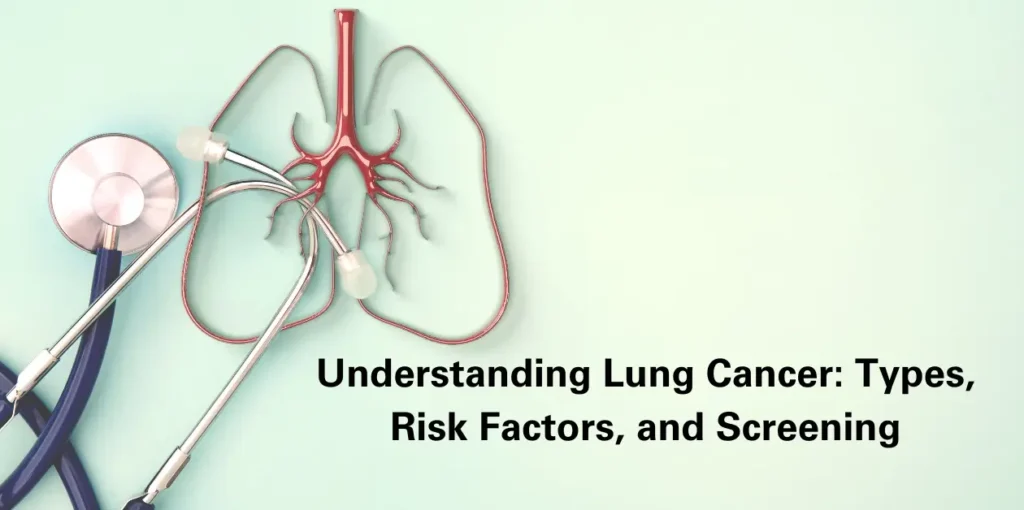
Understanding Lung Cancer: Types, Risk Factors, and Screening Lung cancer is a major health concern worldwide, characterized by uncontrolled growth of abnormal cells in the lungs. This blog will provide a comprehensive overview of lung cancer, including its types, prevalence, causes, initial stage, screening tests, target audience for screening, and common symptoms. Types of Lung Cancer Lung cancer is categorized into two primary types: Non-Small Cell Lung Cancer (NSCLC) Adenocarcinoma: The most common form of NSCLC, often found in the outer parts of the lungs and more common in non-smokers. Squamous Cell Carcinoma: Typically occurs in the central part of the lungs and is strongly associated with smoking. Large Cell Carcinoma: A less common type that can appear in any part of the lung and tends to grow and spread rapidly. Small Cell Lung Cancer (SCLC) Characterized by its rapid growth and tendency to spread quickly to other parts of the body. It is less common than NSCLC but more aggressive. How Common Is Lung Cancer? Lung cancer is one of the most prevalent cancers globally. According to the American Cancer Society, it ranks as the second most common cancer in both men and women, following skin cancer. It is also the leading cause of cancer-related deaths, emphasizing the need for effective prevention and early detection strategies. Causes of Lung Cancer Several factors increase the risk of developing lung cancer: Smoking: The leading cause of lung cancer, responsible for a significant majority of cases. Both active smoking and exposure to secondhand smoke are major risk factors. Radon Exposure: A naturally occurring gas that can accumulate in homes, radon is a known carcinogen linked to lung cancer. Asbestos Exposure: Historically used in construction, asbestos fibers, when inhaled, can cause lung cancer. Family History: Genetic factors play a role, particularly if close relatives have had lung cancer. Air Pollution: Long-term exposure to air pollutants and toxic chemicals can contribute to lung cancer risk. The First Phase of Lung Cancer In the early stages, lung cancer may not present noticeable symptoms. The initial phases include: Stage 0: Also known as carcinoma in situ, where cancer cells are present but have not invaded surrounding tissues. Stage I: The cancer is localized within the lung and has not spread to lymph nodes or other parts of the body. This stage generally has a better prognosis with early treatment. Screening Tests for Lung Cancer Early detection is critical for improving treatment outcomes. The primary screening test for lung cancer is: Low-Dose Computed Tomography (LDCT): This imaging technique uses X-rays to create detailed pictures of the lungs, allowing for earlier detection of lung cancer compared to traditional chest X-rays. Who Should Get Screened? Screening is recommended for individuals at higher risk, including: Current or Former Smokers: Especially those aged 50 to 80 with a history of heavy smoking. Individuals with a Family History of Lung Cancer: Genetic predisposition may warrant early screening. People with Significant Exposure to Carcinogens: Those exposed to radon or asbestos should consider screening. Symptoms of Lung Cancer Early-stage lung cancer often lacks symptoms, but as the disease progresses, symptoms may include: Persistent Cough: A chronic cough that does not go away or worsens. Chest Pain: Ongoing pain or discomfort in the chest area. Shortness of Breath: Difficulty breathing or unexplained breathlessness. Weight Loss: Unintentional weight loss or loss of appetite. Coughing Up Blood: Presence of blood or rust-colored sputum. Conclusion Understanding the types, risk factors, and symptoms of lung cancer is crucial for early detection and treatment. If you or someone you know is at risk, consider discussing screening options with a healthcare provider. Early intervention can significantly impact the effectiveness of treatment and overall prognosis. Take Action Today! If you’re at risk or experiencing symptoms, don’t wait—schedule a screening with Our Experts. For more information on lung cancer and screening options, contact us or visit our website for resources and support. Dr. A. Venugopal Clinical Director & HOD Medical Oncology Senior Consultant Medical Oncologist & Hemato-Oncologist View Profile About Author Dr. A. Venugopal MD (General Medicine), DM (Medical Oncology), MRCP – SCE Medical Oncology (UK), ECMO (Switzerland). Dr A. Venugopal is One of the best medical oncologist and Hemato Oncologist in hyderabad, currently serving as the Head of the Department and Senior Medical Oncologist, Hemato Oncologist at Pi Health Cancer Hospital in Gachibowli, Hyderabad. He brings over 15 years of extensive experience in the field of Oncology. Book an Appointment
Transform Your Life with Cosmetic Gynecology for Stress Urinary Incontinence (SUI) | Pi Health Cancer Hospital

Transform Your Life with Cosmetic Gynecology for Stress Urinary Incontinence (SUI) | Pi Health Cancer Hospital What Is Cosmetic Gynecology? Cosmetic gynecology is a specialized field that focuses on enhancing both the appearance and function of the female genital area through various innovative procedures. This specialty combines aesthetic improvements with functional benefits, addressing concerns from physical comfort to cosmetic appearance. While traditionally linked to beauty and personal care, cosmetic gynecology has also become crucial in managing conditions like Stress Urinary Incontinence (SUI). Understanding Stress Urinary Incontinence (SUI) Stress Urinary Incontinence is a condition marked by the involuntary leakage of urine during activities that increase abdominal pressure, such as coughing, sneezing, laughing, or physical exercise. This leakage occurs when the pelvic floor muscles and the sphincter mechanism controlling urine flow are weakened or compromised. SUI can impact women of all ages but is more common among those who have experienced childbirth, menopause, or pelvic surgeries. What are the symptoms of cervical cancer? Abnormal vaginal bleeding (e.g., between periods, after intercourse) Pelvic pain Unusual vaginal discharge (e.g., watery, bloody) Pain during intercourse Swelling in the legs Urinary issues (e.g., frequent urination, blood in urine) Common Causes of SUI Pregnancy and Childbirth: The physical stress of pregnancy and childbirth can weaken the pelvic floor muscles and tissues. Hormonal changes during pregnancy also contribute to this weakening. Aging and Menopause: Hormonal changes during menopause reduce estrogen levels, crucial for maintaining pelvic tissue strength and elasticity, which can lead to SUI. Pelvic Floor Muscle Weakness: Weakness in these muscles due to various factors can compromise bladder support and control. Obesity: Excess weight increases pressure on the bladder, exacerbating or leading to SUI. Chronic Coughing: Persistent coughing strains the pelvic floor muscles, weakening them over time. Previous Pelvic Surgery: Surgeries like hysterectomies can affect pelvic support structures, potentially causing SUI. The Role of Cosmetic Gynecology in Managing SUI Cosmetic gynecology offers a range of treatments designed to address both the aesthetic and functional aspects of the female genital area. For women experiencing SUI, these procedures aim to strengthen and support the pelvic floor and urethra, potentially reducing or eliminating urinary leakage. Treatment Options in Cosmetic Gynecology Laser Vaginal Rejuvenation Laser vaginal rejuvenation is a non-surgical procedure that uses laser technology to stimulate collagen production in the vaginal tissues. This enhances support to the bladder and urethra by tightening vaginal tissues, potentially reducing SUI symptoms. Radiofrequency Treatment Radiofrequency treatment employs radiofrequency energy to heat and remodel pelvic tissues, enhancing the strength and elasticity of the pelvic floor. This minimally invasive procedure involves minimal discomfort and a quick recovery period. Platelet-Rich Plasma (PRP) Therapy PRP therapy uses a concentrate of the patient’s own platelets to promote tissue regeneration and healing. Injecting PRP into vaginal tissues enhances pelvic floor strength and function, offering relief from SUI. Surgical Options For more severe cases of SUI, surgical interventions such as mesh implants or sling surgeries may be considered. These procedures offer long-term relief by addressing structural issues causing urinary leakage. Benefits of Cosmetic Gynecology for SUI Cosmetic gynecology provides several benefits for managing SUI: Enhanced Quality of Life: Addressing SUI symptoms helps women regain control and confidence in their daily activities. Non-Invasive Options: Many treatments are non-surgical with minimal discomfort, making them effective and convenient. Quick Recovery: Most non-invasive procedures involve little to no downtime, allowing for a swift return to daily routines. Aesthetic Improvements: Some treatments not only offer functional relief but also enhance the appearance of the vaginal area. Your Journey to Confidence Starts Here At Pi Health Cancer Hospital, we provide personalized care tailored to your needs. Our expert team is dedicated to offering a range of innovative treatments designed to help you regain control and improve your quality of life. Schedule a consultation with Dr. Saveetha Rathod to explore the best treatment options for you. Discover how cosmetic gynecology can help you regain confidence and enjoy a higher quality of life. Regain Confidence with Cosmetic GynecologyInnovative solutions for Stress Urinary Incontinence (SUI) are within reach. Take the first step towards a more comfortable and confident you today. Schedule Appointment Now Dr Saveetha Rathod Consultant Gynaecologist View Profile About Author Dr Saveetha Rathod MBBS ,MD – PGI , MRCOG – UK,Diploma in cosmetic Gynaecology – ICCG Dr. Saveetha Rathod is a well-known obstetrician and gynecologist in Hyderabad, known for her compassionate care and unwavering dedication to women’s health. She is deeply committed to continuous learning and growth, ensuring that each patient receives personalized and comprehensive support. Dr. Rathod’s collaborative approach and steadfast advocacy make her a trusted partner in every woman’s journey towards optimal well-being, regardless of age or background. Book an Appointment
Comprehensive Guide to Dengue Fever: Symptoms, Treatment, and Prevention

Comprehensive Guide to Dengue Fever: Symptoms, Treatment, and Prevention What is Dengue Fever? Dengue fever is a viral illness caused by one of four types of dengue viruses (DENV-1, DENV-2, DENV-3, and DENV-4). Unlike some other infections, contracting one type of dengue virus does not provide immunity against the others. The disease is transmitted primarily through mosquito bites. Common Symptoms of Dengue Fever Symptoms of dengue fever can range from mild to severe and vary among individuals. They typically include: High fever Severe headache Pain behind the eyes Muscle and joint pain Skin rash Abdominal pain, nausea, vomiting, and diarrhea Bleeding manifestations Risk Factors and Severe Disease Previous infection with dengue fever does not protect against other dengue virus types. Individuals who have had dengue fever before may be at risk for severe disease if infected by a different dengue virus. Those at higher risk for severe disease include: Infants Elderly individuals Pregnant women People with chronic conditions such as diabetes, hypertension, or heart disease Patients on medications like steroids or immunosuppressants Take Action Now Testing for Dengue Fever To diagnose dengue fever, physicians typically perform blood tests to detect dengue-specific antigens or antibodies after assessing symptoms and conducting a physical examination. Treatment for Dengue Fever There is no specific antiviral medication for dengue fever. The primary treatment is supportive care, which includes: Adequate hydration, either orally or intravenously depending on the severity Management decisions, including the need for hospital admission, are based on the patient’s condition and blood test results Home Management of Dengue Fever For mild cases of dengue fever, home management includes: Resting adequately Drinking plenty of fluids Using paracetamol for fever and body aches Avoiding other pain medications without medical advice Preventing Dengue Fever Prevention focuses on avoiding mosquito bites and reducing mosquito breeding sites: Use mosquito nets or repellents Eliminate stagnant water around your home, as these are common breeding grounds for mosquitoes Common Misconceptions about Dengue Fever Platelet Count and Disease Severity: A low platelet count alone does not determine the severity of dengue fever or the need for hospital admission. Clinical condition and individual risk factors are also crucial. Platelet Transfusion: Not everyone with a low platelet count requires a platelet transfusion. Treatment decisions are based on the patient’s overall condition and specific risk factors. Understanding these aspects of dengue fever can help manage and prevent the disease more effectively. Dr. Havisha Consultant General Physician View Profile About Author Dr. Havisha MBBS ,MD General Medicine Dr. Havisha is a dedicated Consultant General Physician at Pi Health Cancer Hospital in Gachibowli, Hyderabad. With 6 years of clinical experience, she specializes in the management of various conditions including fever, thyroid disorders, diabetes, hypertension, arthritis, headache, abdominal pain, allergies, jaundice, and dizziness. Dr. Havisha’s comprehensive approach to patient care and her expertise in both acute and chronic conditions make her a valuable asset to the hospital. Book an Appointment
World Lung Cancer Day 2024: Raising Awareness and Inspiring Action
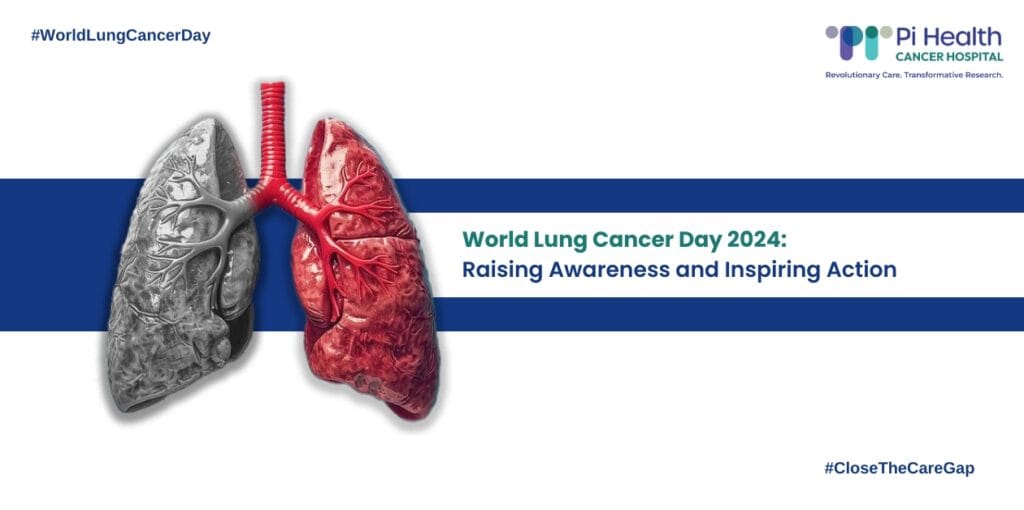
World Lung Cancer Day 2024: Raising Awareness and Inspiring Action Every year on August 1st, the global community comes together to recognize World Lung Cancer Day—a day dedicated to raising awareness about the leading cause of cancer deaths worldwide. As we mark this important day in 2024, it’s crucial to reflect on the impact of lung cancer, the advancements in its treatment, and the ongoing efforts to improve prevention and early detection. The Global Burden of Lung Cancer Lung cancer remains a major public health challenge. According to the World Health Organization (WHO), it accounts for nearly one in five cancer deaths, making it the most lethal cancer type. This year, an estimated 2.2 million people worldwide will be diagnosed with lung cancer, highlighting the urgent need for continued research and public awareness. The Importance of Early Detection Early detection of lung cancer significantly increases the chances of successful treatment and survival. Unfortunately, many cases are diagnosed at advanced stages when the disease is harder to treat. This World Lung Cancer Day, we emphasize the importance of screening, especially for high-risk individuals, such as long-term smokers and those with a family history of the disease. Low-dose computed tomography (LDCT) scans have proven to be an effective tool for detecting lung cancer at an early stage. We encourage everyone to speak with their healthcare providers about the benefits and eligibility for lung cancer screening. Advances in Treatment and Research The landscape of lung cancer treatment has evolved significantly over the past decade. From traditional chemotherapy to targeted therapies and immunotherapy, there are now more options than ever for patients. These advancements have improved survival rates and quality of life for many people living with lung cancer. Research continues to play a pivotal role in finding new and better ways to treat lung cancer. Clinical trials are ongoing, exploring innovative therapies and combinations that offer hope for even more effective treatments in the future. Preventive Measures: Reducing Risk Factors Preventing lung cancer starts with addressing its most significant risk factors. Smoking remains the leading cause of lung cancer, responsible for approximately 85% of cases. Quitting smoking is the most effective way to reduce the risk of developing lung cancer. Additionally, reducing exposure to secondhand smoke, radon gas, and occupational carcinogens can further decrease risk. On World Lung Cancer Day, we also acknowledge the importance of public health campaigns and policies that support smoking cessation and reduce exposure to harmful substances. These efforts are critical in preventing lung cancer and promoting overall public health. Supporting Patients and Their Families Lung cancer affects not only patients but also their families and loved ones. This day serves as a reminder of the importance of compassionate care and support. From access to psychological support services to patient advocacy and education, there are many ways to help those affected by lung cancer navigate their journey. How You Can Get Involved There are many ways to participate in World Lung Cancer Day 2024: Educate Yourself and Others: Learn about lung cancer, its symptoms, and risk factors. Share this knowledge with friends and family. Support Research and Advocacy: Consider donating to organizations that fund lung cancer research and support advocacy efforts. Promote Healthy Lifestyles: Encourage smoking cessation and a healthy lifestyle in your community. Raise Awareness on Social Media: Use hashtags like #WorldLungCancerDay and #LungCancerAwareness to spread the word and share your stories. Looking Ahead: A Future Free from Lung Cancer While lung cancer remains a significant global health issue, progress is being made. By raising awareness, supporting research, and promoting prevention, we can work towards a future where lung cancer is no longer a leading cause of death. On this World Lung Cancer Day, let’s unite in our efforts to combat this disease and support those affected by it. Together, we can make a difference. Let’s inspire action, spread hope, and continue the fight against lung cancer. If you or a loved one is concerned about the risk of lung cancer, don’t wait. Early detection can save lives. Book an appointment at PI Health Cancer Hospital today for a comprehensive lung cancer screening and consultation with our expert team. Our experienced specialists are here to provide you with the best care and support. Book Your Appointment Now and take the first step towards a healthier future. References: https://www.lungcancercoalition.org/2021/08/01/world-lung-cancer-day-1st-august/ https://www.chestnet.org/Newsroom/CHEST-News/2021/07/World-Lung-Cancer-Day-Fact-Sheet https://www.who.int/news-room/fact-sheets/detail/lung-cancer Dr. A. Venugopal HOD, Senior Consultant Medical Oncologist and Hemato Oncologist View Profile About Author Dr. A. Venugopal MD (General Medicine), DM (Medical Oncology), MRCP – SCE Medical Oncology (UK), ECMO (Switzerland). Dr A. Venugopal is One of the best medical oncologist and Hemato Oncologist in hyderabad, currently serving as the Head of the Department and Senior Medical Oncologist, Hemato Oncologist at Pi Health Cancer Hospital in Gachibowli, Hyderabad. He brings over 15 years of extensive experience in the field of Oncology. Book an Appointment
Understanding Fever: When to Act and How to Manage

Understanding Fever: When to Act and How to Manage Fever is a common physiological response of the body to various internal and external factors. It serves as a vital indicator of potential illness and is regulated by the hypothalamic center, ensuring our body temperature remains stable despite environmental changes. Understanding the basics of fever, its causes, and appropriate management is crucial for maintaining health and well-being. Defining Fever A normal human body temperature fluctuates slightly throughout the day, typically ranging from 98.6°F in the morning to slightly higher, around 99.5°F in the afternoon. Deviations from these norms—such as an oral temperature above 98.9°F in the morning or exceeding 99.9°F in the afternoon—define fever. Recording Temperature Temperature can be accurately measured using various methods: Oral: Commonly used and convenient. Rectal: Provides highly accurate readings. Ear (tympanic) and Forehead: Less accurate but convenient alternatives. For precise diagnosis and monitoring, oral and rectal thermometers are recommended due to their reliability. Causes of Fever Fever can stem from a wide array of conditions: Infections: Viral, bacterial, fungal, or parasitic. Inflammatory diseases: Including autoimmune disorders. Neoplastic: Related to cancerous growths. Miscellaneous: Such as trauma, surgery, certain medications, and hormonal imbalances. Identifying the underlying cause of fever is crucial for effective treatment. When to Seek Medical Care While fever itself is often manageable at home, certain symptoms necessitate urgent medical attention: Severe headache Skin rash Persistent vomiting Unusual sensitivity to light Mental confusion or altered speech Difficulty breathing or chest pain Abdominal pain Convulsions or seizures Patients with pre-existing conditions (diabetes, chronic diseases, or those on immunosuppressants) should consider consulting a doctor even without these symptoms. Take Action Now At-Home Fever Management When managing fever at home, consider the following: Do’s: Rest Stay hydrated with fluids Use paracetamol (acetaminophen) to reduce temperature, optionally combined with tepid sponging. Don’ts: Avoid antibiotics unless specifically prescribed for a bacterial infection. Refrain from consuming cold fluids if fever is accompanied by symptoms like cold, cough, or throat pain. Conclusion In conclusion, while fever is often a transient response to infections or other triggers, understanding its implications and when to seek medical advice ensures timely intervention and effective management. By adhering to appropriate fever management practices, individuals can promote recovery and maintain their overall health. Sources: ◦ Harrison’s principles of internal medicine 19th edition ◦ Mayoclinic.org ◦ ncbi.nlm.nih.gov Fernandez C, Beeching NJ. Pyrexia of unknown origin. Clin Med (Lond). 2018 Mar; 18(2):170-174. doi: 10.7861/clinmedicine. 18-2-170. PMID: 29626024; PMCID: PMC6303444. Dr. Havisha Consultant General Physician View Profile About Author Dr. Havisha MBBS ,MD General Medicine Dr. Havisha is a dedicated Consultant General Physician at Pi Health Cancer Hospital in Gachibowli, Hyderabad. With 6 years of clinical experience, she specializes in the management of various conditions including fever, thyroid disorders, diabetes, hypertension, arthritis, headache, abdominal pain, allergies, jaundice, and dizziness. Dr. Havisha’s comprehensive approach to patient care and her expertise in both acute and chronic conditions make her a valuable asset to the hospital. Book an Appointment