
How to Manage Seasonal Allergies Effectively

How to Manage Seasonal Allergies Effectively Seasonal allergies, also known as hay fever or allergic rhinitis, are a common issue affecting millions of people worldwide. These allergies, triggered by pollen from trees, grasses, and weeds, can cause uncomfortable symptoms such as sneezing, runny nose, itchy eyes, and headaches. Managing seasonal allergies effectively is essential to improving your quality of life, especially during peak allergy seasons. In this blog, we will delve into how to manage seasonal allergies effectively, including the most common causes of headaches that often accompany allergies, and how are advancing allergy treatment. Understanding Seasonal Allergies: Causes and Symptoms Seasonal allergies occur when your immune system overreacts to airborne allergens, such as pollen, that are common during certain times of the year. The immune system mistakenly identifies these harmless particles as threats and releases chemicals like histamine to protect the body, leading to allergic reactions. The most common triggers of seasonal allergies include: Pollen: Tree, grass, and weed pollens are the primary culprits. Mold spores: Mold can be released into the air during damp seasons. Dust mites: Though more common indoors, dust mites can also aggravate allergies in specific climates. Common symptoms of seasonal allergies include: Sneezing Runny or stuffy nose Itchy or watery eyes Post-nasal drip Fatigue Headaches: Allergies often cause sinus pressure, which can lead to tension headaches or even migraines. Managing Seasonal Allergies Effectively While there is no cure for seasonal allergies, there are several effective strategies you can use to manage symptoms and improve your quality of life. Avoid Allergens Where Possible The most effective way to manage allergies is to limit exposure to allergens. Here are some practical tips: Stay indoors during peak pollen times (usually early morning and late afternoon). Keep windows closed to prevent pollen from entering the house. Use air purifiers to filter pollen and other allergens from the air inside your home. Shower and change clothes after being outdoors to remove pollen from your skin and hair. Limit outdoor activities during high pollen count days, especially on windy days. Use Allergy Medications Several over the counter and prescription medications can help alleviate symptoms of seasonal allergies: Antihistamines: These medications block the release of histamine, which helps prevent allergy symptoms like sneezing and itching. Common antihistamines include loratadine (Claritin) and cetirizine (Zyrtec). Nasal corticosteroids: These are anti-inflammatory sprays that help reduce swelling in the nasal passages and relieve congestion (e.g., fluticasone or budesonide). Decongestants: Oral decongestants (like pseudoephedrine) or nasal sprays (such as oxymetazoline) can help reduce nasal congestion. Eye drops: For itchy or watery eyes, antihistamine eye drops may provide quick relief. Consider Immunotherapy Immunotherapy is a long-term treatment that involves gradually desensitizing the immune system to allergens. This can be done through: Allergy shots: Regular injections of allergens, which gradually reduce your sensitivity. Sublingual tablets: These dissolve under the tongue and help reduce allergic reactions over time. While immunotherapy can take months to show significant effects, it is a long-term solution that can provide relief for several years. Natural Remedies For those looking for more natural ways to manage allergies, consider the following: Nasal irrigation: Using a saline solution to rinse the nasal passages can help clear out allergens and mucus. Herbal supplements: Some studies suggest that butterbur and quercetin may help alleviate allergy symptoms, though it’s important to consult with a healthcare provider before starting any supplement. Local honey: Some people believe that consuming local honey can help desensitize the body to pollen, though scientific evidence on this is limited. The Link Between Allergies and Headaches One of the most common symptoms of seasonal allergies is headaches, particularly tension headaches and sinus headaches. When the nasal passages become inflamed due to allergens, it can cause pressure in the sinuses, which may lead to headaches. Additionally, the inflammation caused by allergies can trigger tension headaches, as the body reacts to the discomfort and stress caused by congestion. Conclusion Managing seasonal allergies effectively requires a combination of strategies, including avoiding allergens, using medications, and considering long-term treatments like immunotherapy. If you suffer from seasonal allergies, consider speaking to a healthcare professional for advice tailored to your specific needs. With the right approach, you can manage your symptoms and enjoy a better quality of life during allergy season. FAQs 1. What are the most common causes of headaches associated with seasonal allergies? Allergies can cause sinus congestion and inflammation, leading to sinus headaches or tension headaches because of the body’s response to allergens. 2. How can I naturally reduce my allergy symptoms? Natural remedies like nasal irrigation with saline solution, herbal supplements like quercetin, and avoiding allergens can help alleviate symptoms. Always consult a healthcare professional before trying new remedies. 3. Can allergies worsen cancer treatment outcomes? Yes, allergies can increase inflammation in the body, which may interfere with cancer treatments. PI Health Cancer Hospital is researching how to effectively manage both allergies and cancer therapies. 4.How do allergy medications work to relieve symptoms? Antihistamines block histamine, a chemical involved in allergic reactions. Nasal corticosteroids reduce inflammation, and decongestants alleviate nasal congestion, all helping to manage allergy symptoms. Dr. Y Swetha Consultant General Physician View Profile About Author Dr. Y Swetha MBBS ,MD General Medicine Dr. Y Swetha is a skilled physician currently practicing at PI Health Cancer Hospital. She holds an MBBS from Kamineni Institute of Medical Sciences and an MD in General Medicine from Prathima Institute of Medical Sciences. Dr. Swetha has extensive experience in outpatient, inpatient, emergency, and critical care settings. She is proficient in managing chronic conditions, critical emergencies, and advanced procedures such as ventilator management and catheter placements. Her academic contributions include presentations on deep vein thrombosis, splenic infarcts, and cardiac tamponade. Dr. Swetha also volunteered as a Telemedicine Doctor during the COVID-19 pandemic, demonstrating her commitment to patient care. With a First Class in MD and fluent in English, Telugu, and Hindi, Dr. Swetha is dedicated to providing compassionate and comprehensive medical care. Book an Appointment
How to Lower Your Cholesterol Naturally Through Diet

How to Lower Your Cholesterol Naturally Through Diet Cholesterol management plays a critical role in maintaining good heart health and preventing cardiovascular disease. High cholesterol is a major risk factor for heart disease, which remains one of the leading causes of death worldwide. While medication can help control cholesterol levels, a diet for cholesterol management is equally important, particularly for those seeking natural ways to improve cardiovascular health. Understanding Cholesterol and Its Impact on Heart Health Cholesterol is a type of fat (lipid) that is essential for several bodily functions, including the production of hormones and vitamin D. However, too much cholesterol in the bloodstream can lead to plaque buildup in the arteries, a condition known as atherosclerosis. This can increase the risk of heart disease, stroke, and other cardiovascular issues. There are two primary types of cholesterol: Low-Density Lipoprotein (LDL): Often referred to as “bad cholesterol,” LDL contributes to plaque buildup in the arteries. High-Density Lipoprotein (HDL): Known as “good cholesterol,” HDL helps remove LDL from the bloodstream, reducing the risk of cardiovascular disease. For optimal heart health, it’s important to maintain a balance between LDL and HDL cholesterol, keeping LDL levels low and HDL levels high. While lifestyle changes, including diet, exercise, and managing stress, can help achieve this balance, diet plays a central role in cholesterol management. How Diet Can Lower Cholesterol Naturally If you’re looking to lower your cholesterol naturally, a heart-healthy diet is key. Here are some effective dietary strategies to help reduce cholesterol levels: Increase Soluble Fiber Intake Soluble fiber helps reduce the absorption of cholesterol in the bloodstream by binding to cholesterol molecules in the digestive system and flushing them out of the body. Foods high in soluble fiber include: Oats and barley Beans, lentils, and peas Apples and citrus fruits Carrots and sweet potatoes Flaxseeds and chia seeds Incorporate Healthy Fats Replacing saturated fats and trans fats with healthier fats can help lower LDL cholesterol. Focus on consuming monounsaturated and polyunsaturated fats found in: Olive oil and avocado Fatty fish like salmon, mackerel, and sardines (rich in omega-3 fatty acids) Nuts and seeds (almonds, walnuts, chia seeds) These fats help reduce inflammation and improve cholesterol levels, supporting overall heart health. Choose Plant-Based Proteins Animal-based proteins, particularly red meat and full-fat dairy products, tend to be high in saturated fats, which can raise LDL cholesterol. Opting for plant-based protein sources can help reduce cholesterol levels. Some heart-healthy plant-based options include: Legumes (beans, lentils, chickpeas) Tofu and tempeh Quinoa and whole grains Plant-based protein powders (pea, hemp, or brown rice protein) Add Antioxidant-Rich Foods Fruits and vegetables are rich in antioxidants, which help reduce inflammation and oxidative stress that can contribute to heart disease. Incorporating a wide variety of colorful fruits and vegetables into your diet—such as berries, leafy greens, tomatoes, and bell peppers—can support cardiovascular health and help lower cholesterol. Limit Saturated and Trans Fats Limiting the intake of saturated fats found in fatty cuts of meat, full-fat dairy products, and processed foods can help reduce cholesterol levels. Avoiding trans fats, which are often found in baked goods, fried foods, and processed snacks, is also critical in maintaining healthy cholesterol levels. Consider Plant Sterols and Stanols Plant sterols and stanols are compounds found in certain plant-based foods that help block the absorption of cholesterol. You can find them in fortified foods such as margarine, orange juice, and yogurt drinks. Including these in your diet can help lower LDL cholesterol levels. Conclusion Managing cholesterol levels through diet is a powerful and natural way to improve cardiovascular health and reduce the risk of heart disease. By incorporating fiber-rich foods, healthy fats, and plant-based proteins into your daily meals, you can significantly impact your cholesterol levels If you’re looking to improve your cholesterol levels and heart health, start by making small but impactful changes to your diet, and consider consulting with a healthcare professional to create a personalized plan. FAQs 1. How can I lower my cholesterol without medication? You can lower your cholesterol naturally by adopting a heart-healthy diet, rich in fiber, healthy fats, and plant-based proteins, while limiting saturated and trans fats. 2. What foods should I avoid to lower my cholesterol? Avoid foods high in saturated fats such as fatty cuts of meat, full-fat dairy products, fried foods, and processed snacks. Additionally, limit trans fats found in margarine, packaged baked goods, and fast food. 3. How does cholesterol impact heart health? High cholesterol levels, particularly high LDL cholesterol, can lead to plaque buildup in the arteries, increasing the risk of heart disease, stroke, and other cardiovascular conditions. 4. Can cancer treatments affect cholesterol levels? Yes, certain cancer treatments like chemotherapy and radiation can impact cholesterol levels, potentially increasing the risk of heart disease. Dr. Y Swetha Consultant General Physician View Profile About Author Dr. Y Swetha MBBS ,MD General Medicine Dr. Y Swetha is a skilled physician currently practicing at PI Health Cancer Hospital. She holds an MBBS from Kamineni Institute of Medical Sciences and an MD in General Medicine from Prathima Institute of Medical Sciences. Dr. Swetha has extensive experience in outpatient, inpatient, emergency, and critical care settings. She is proficient in managing chronic conditions, critical emergencies, and advanced procedures such as ventilator management and catheter placements. Her academic contributions include presentations on deep vein thrombosis, splenic infarcts, and cardiac tamponade. Dr. Swetha also volunteered as a Telemedicine Doctor during the COVID-19 pandemic, demonstrating her commitment to patient care. With a First Class in MD and fluent in English, Telugu, and Hindi, Dr. Swetha is dedicated to providing compassionate and comprehensive medical care. Book an Appointment
The Most Common Causes of Headaches and How to Treat Them
The Most Common Causes of Headaches and How to Treat Them Headaches are among the most common health complaints, affecting millions of people globally. From tension headaches to migraines, they can range from mild to debilitating. Understanding the causes and treatment options is crucial for effective pain relief and management. At PI Health Cancer Hospital, groundbreaking are underway, shedding new light on the underlying causes of headaches and innovative treatments. In this blog, we’ll explore the most common causes of headaches, focusing on tension headaches and migraines, and how these conditions can be effectively treated, including the exciting advancements in pain relief through. Understanding Headaches: Causes and Types Headaches can manifest in many forms, and understanding the underlying causes is key to determining the right treatment. Below are some of the most common types of headaches: Tension Headaches Tension headaches are the most prevalent form of headache, affecting millions of people worldwide. They often feel like a tight band around the head and are usually associated with stress, fatigue, and poor posture. The pain is typically dull and can range from mild to moderate. While they aren’t usually as severe as migraines, tension headaches can still disrupt daily activities and diminish quality of life. Migraines Migraines are more severe than tension headaches and can cause intense, throbbing pain, often on one side of the head. They are commonly accompanied by nausea, vomiting, and sensitivity to light and sound. Migraines are thought to be linked to changes in brain activity and blood flow and may be triggered by various factors, including hormonal fluctuations, stress, certain foods, and environmental factors. Cluster Headaches Cluster headaches are rare but extremely painful. They typically occur in cyclical patterns, often during the night, and are concentrated around one eye or side of the head. This type of headache is often associated with autonomic symptoms such as eye watering or nasal congestion. Sinus Headaches Sinus headaches are caused by inflammation or infection of the sinuses, leading to pressure and pain around the forehead, eyes, and cheeks. These headaches are typically accompanied by other sinus-related symptoms, such as congestion, fever, and a runny nose. Advances in Migraine Treatment Through cutting-edge clinical research, PI Health Cancer Hospital is investigating novel treatments for migraines that go beyond conventional medications. For example, one promising area of research is focused on neurostimulation therapies, which aim to target pain pathways in the brain to reduce the intensity and frequency of migraines. These treatments are being tested on patients who have not responded to traditional medications, offering new hope for individuals struggling with chronic migraines. Cancer Treatment-Related Headaches For cancer patients, headaches can sometimes be a result of the treatment itself, such as chemotherapy or radiation therapy. PI Health Cancer Hospital is conducting to better understand how cancer treatments contribute to headaches and to develop specialized approaches for managing these pain symptoms. Pain relief strategies are personalized, integrating the latest research in both oncology and pain management. Integrative Pain Management Approaches The hospital’s are also exploring integrative pain management strategies, combining conventional pain relief methods with alternative therapies such as acupuncture and cognitive-behavioral therapy (CBT). These complementary treatments are designed to provide holistic care for patients suffering from chronic headaches or pain associated with cancer therapies. How to Treat Headaches: Effective Solutions The treatment of headaches depends on the type and severity of the condition. Here are some effective solutions that can help with pain relief: Over-the-Counter Medications For tension headaches and mild migraines, over-the-counter (OTC) pain relievers such as acetaminophen, ibuprofen, or aspirin may provide relief. These medications work by reducing inflammation and blocking pain signals in the brain. Prescription Medications For more severe migraines, prescription medications like triptans and ergotamines are commonly used. These medications help to constrict blood vessels and reduce the pain associated with migraines. Lifestyle Modifications Since stress and poor posture are common triggers for tension headaches, incorporating lifestyle modifications can be highly beneficial. Regular exercise, stress management techniques like meditation and yoga, and good sleep hygiene can help prevent the occurrence of tension headaches. Neuromodulation Therapies For chronic migraines that don’t respond to conventional treatments, neuromodulation therapies such as transcranial magnetic stimulation (TMS) or occipital nerve stimulation (ONS) have shown promising results. These therapies work by altering brain activity or blocking pain signals. Preventive Treatments For patients with frequent or chronic migraines, preventive treatments such as Botox injections, CGRP inhibitors, or certain antidepressants and anticonvulsants may be recommended. These treatments aim to reduce the frequency and severity of headaches over time. Integrative Therapies As mentioned, complementary therapies such as acupuncture, biofeedback, and cognitive-behavioral therapy can help patients manage their pain and stress levels, providing additional support alongside conventional treatments. Conclusion Headaches, from tension headaches to migraines, are not just a nuisance—they can significantly impact quality of life. By addressing the underlying causes of headaches and offering personalized, cutting-edge pain relief options, PI Health Cancer Hospital is leading the way in transforming how headaches are treated, especially in patients undergoing cancer therapies. If you’re struggling with chronic headaches, whether they are linked to cancer treatments or other factors, don’t hesitate to consult with a specialist. Effective solutions are available, and with ongoing research, the future of headache treatment looks promising. Dr. Y Swetha Consultant General Physician View Profile About Author Dr. Y Swetha MBBS ,MD General Medicine Dr. Y Swetha is a skilled physician currently practicing at PI Health Cancer Hospital. She holds an MBBS from Kamineni Institute of Medical Sciences and an MD in General Medicine from Prathima Institute of Medical Sciences. Dr. Swetha has extensive experience in outpatient, inpatient, emergency, and critical care settings. She is proficient in managing chronic conditions, critical emergencies, and advanced procedures such as ventilator management and catheter placements. Her academic contributions include presentations on deep vein thrombosis, splenic infarcts, and cardiac tamponade. Dr. Swetha also volunteered as a Telemedicine Doctor during the COVID-19 pandemic, demonstrating her commitment to patient care. With a First Class in MD and fluent in English, Telugu,
How to Manage High Blood Pressure Naturally
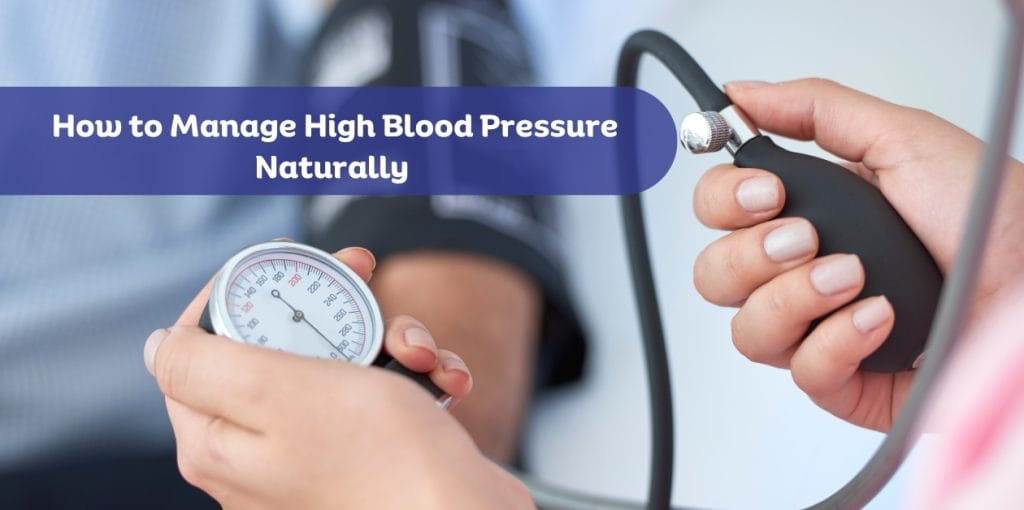
How to Manage High Blood Pressure Naturally High blood pressure, also known as hypertension, is a common yet serious condition that affects millions of people worldwide. It can lead to severe complications, including heart disease, stroke, and kidney damage, making blood pressure management a crucial aspect of maintaining overall health. While medication plays a key role in treating high blood pressure, there are natural ways to manage and even reduce hypertension effectively. What Is High Blood Pressure? High blood pressure is a condition in which the force of the blood against the walls of the arteries is consistently too high. If left untreated, it can damage blood vessels and organs, increasing the risk of serious health issues such as heart attacks, stroke, and kidney disease. Blood pressure is measured in millimetres of mercury (mmHg), with two readings: Systolic pressure (the top number) measures the force of blood against the artery walls when the heart beats. Diastolic pressure (the bottom number) measures the force when the heart rests between beats. A normal blood pressure reading is typically around 120/80 mmHg. High blood pressure is defined as readings consistently higher than 130/80 mmHg. Natural Ways to Manage High Blood Pressure While medications are often prescribed for hypertension management, several lifestyle changes can help lower blood pressure naturally. These include: 1. Adopt a Healthy Diet (DASH Diet) The DASH (Dietary Approaches to Stop Hypertension) diet is designed specifically to reduce high blood pressure. It emphasizes: High consumption of fruits, vegetables, whole grains, and low-fat dairy. Reducing salt intake to less than 1,500 mg per day. Eating lean proteins such as fish, poultry, and legumes. The DASH diet is rich in potassium, magnesium, and fiber, all of which contribute to healthy blood pressure levels. Reducing processed foods and cutting back on sugary snacks can also have a positive impact on heart health. 2. Exercise Regularly Physical activity is one of the most effective ways to lower blood pressure naturally. Regular exercise helps strengthen the heart, enabling it to pump blood more efficiently, which reduces the pressure on your arteries. Aim for at least 150 minutes of moderate-intensity aerobic exercise, such as brisk walking or cycling, every week. Strength training exercises twice a week can also improve heart health and reduce high blood pressure. Staying active also helps with weight management, which is another key factor in controlling hypertension. 3. Reduce Stress Levels Chronic stress can contribute to high blood pressure by triggering the release of stress hormones like cortisol. These hormones can cause blood vessels to constrict, increasing the heart’s workload. Managing stress effectively is therefore an essential part of blood pressure management. Try relaxation techniques such as deep breathing, meditation, yoga, or mindfulness. Taking breaks during the day and getting adequate sleep can also help reduce overall stress. 4. Limit Alcohol and Caffeine intake Excessive alcohol consumption and high caffeine intake can both lead to elevated blood pressure. Moderating your intake of these substances can help lower blood pressure over time. Limit alcohol to no more than one drink per day for women and two drinks per day for men. While moderate caffeine consumption may not significantly affect blood pressure in most people, excessive caffeine should be avoided, especially in those who are sensitive to it. 5. Maintain a Healthy Weight Being overweight or obese puts extra strain on the heart and blood vessels, making it harder to maintain healthy blood pressure. Even a small reduction in weight—around 5 to 10%—can have a noticeable effect on blood pressure control. Incorporating regular exercise and a balanced diet into your lifestyle is key to achieving and maintaining a healthy weight. Focus on sustainable lifestyle changes rather than crash diets for long-term results. 6. Increase Potassium Intake Potassium is a mineral that helps balance the effects of sodium in the body. Increasing potassium-rich foods in your diet, such as bananas, spinach, sweet potatoes, and tomatoes, can help lower blood pressure. 7. Get Enough Sleep Poor sleep, especially conditions like sleep apnea, can contribute to high blood pressure. Ensuring that you get adequate, quality sleep is essential for maintaining healthy blood pressure levels. Aim for 7-9 hours of sleep per night. Maintain a regular sleep schedule and create a calm, dark sleeping environment. Conclusion Managing high blood pressure naturally is essential for maintaining heart health and preventing long-term complications. By adopting healthy lifestyle habits such as eating a balanced diet, exercising regularly, managing stress, and maintaining a healthy weight, you can effectively control your blood pressure. FAQs 1. What lifestyle changes can help lower high blood pressure? Adopting a healthy diet (such as the DASH diet), exercising regularly, reducing stress, maintaining a healthy weight, limiting alcohol and caffeine, and improving sleep quality can all help lower blood pressure naturally. 2. Can stress really cause high blood pressure? Yes, chronic stress can lead to elevated blood pressure by triggering the release of stress hormones, which can constrict blood vessels and increase the heart’s workload. 3. How much exercise do I need to lower my blood pressure? Aim for at least 150 minutes of moderate aerobic exercise per week, along with strength training twice a week, to help lower blood pressure. 4. Can a healthy diet really make a difference in managing hypertension? Yes, diets like the DASH diet, which include a variety of fruits, vegetables, whole grains, and low-fat dairy, can significantly help lower blood pressure by reducing sodium intake and providing key nutrients like potassium and magnesium. 5. Is it safe to reduce blood pressure naturally while undergoing cancer treatment? It’s essential to work with your healthcare provider when managing hypertension during cancer treatment. Dr. Venugopal Arroju and his team at PI Health Cancer Hospital offer personalized care that integrates blood pressure management with cancer therapies. 6. What role does potassium play in blood pressure control? Potassium helps balance the effects of sodium in the body, which can help lower blood pressure. Foods rich in potassium include bananas, spinach, sweet potatoes, and tomatoes. Dr.
Types of Birth Control and Their Effectiveness

Types of Birth Control and Their Effectiveness Birth control has long been a crucial tool in family planning, offering women and couples a way to prevent unwanted pregnancies and manage reproductive health. With a wide array of contraceptive methods available today, choosing the right one can be overwhelming. Each option comes with its own set of benefits, drawbacks, and varying degrees of effectiveness. This blog will explore the several types of birth control, focusing on both hormonal and non-hormonal methods, and provide insights into their effectiveness. Whether you are seeking a reliable contraceptive method or learning about new options, this guide is for you Types of Birth Control and Their Effectiveness Cervical cancer occurs when abnormal cells in the cervix, the lower part of the uterus that connects to the vagina, begin to grow uncontrollably. Most cervical cancers are caused by persistent infection with certain strains of human papillomavirus (HPV), a common sexually transmitted infection. Most women who have HPV infections do not develop cervical cancer, but in some cases, the infection can cause changes in the cervix that may eventually lead to cancer if left untreated. Regular cancer screening, such as the Pap smear, helps identify these changes early, giving women a chance to prevent cervical cancer before it even starts. The Importance of Cervical Cancer Screening 1. Hormonal Methods Hormonal birth control methods are among the most popular and effective options available today. These methods work by altering a woman’s hormone levels to prevent ovulation, thicken cervical mucus, and sometimes even thin the uterine lining to prevent implantation. Birth Control PillsThe birth control pill is one of the most widely used hormonal methods. It contains synthetic versions of estrogen and progesterone, which regulate the menstrual cycle and prevent pregnancy. When correctly taken every day, the pill is 99% effective. However, it is important to remember that its effectiveness decreases if doses are missed. Birth Control PatchThe birth control patch is a small, adhesive patch worn on the skin that releases hormones into the bloodstream. It is worn for a week at a time and changed weekly. The patch works similarly to the pill by preventing ovulation and thickening cervical mucus. It is approximately 91% effective in typical use. Birth Control Shot (Depo-Provera)The birth control shot, typically administered every three months, delivers a hormone called progestin that prevents ovulation. The shot is 94% effective when used correctly, making it an exceptionally reliable option for women who prefer not to have to think about contraception regularly. Intrauterine Device (IUD)An IUD is a small, T-shaped device that is inserted into the uterus. There are hormonal IUDs that release progestin and non-hormonal IUDs (made of copper) that prevent sperm from reaching the egg. Hormonal IUDs are 99% effective, and copper IUDs are 99.9% effective, offering long-term contraception for up to 10 years. ImplantsThe implant is a small rod inserted under the arm’s skin and releases hormones that prevent ovulation. It is 99% effective and lasts for up to 3 years, offering a highly convenient option for women looking for a long-term solution without having to remember daily pills or regular shots. 2. Non-Hormonal Methods While hormonal methods are effective for many women, some may prefer non-hormonal methods for personal, medical, or ethical reasons. These methods do not involve the use of hormones and rely on mechanical or chemical barriers. Condoms Both male and female condoms are non-hormonal birth control options. Condoms work by physically blocking sperm from entering the uterus. When used properly, they are 85% effective. Condoms also offer the added benefit of protecting against sexually transmitted infections (STIs). Diaphragm A diaphragm is a soft, dome-shaped device that covers the cervix to prevent sperm from entering the uterus. It is typically used with spermicide and is 88% effective when used correctly. It requires a prescription and is best used with other forms of contraception for optimal effectiveness. Sterilization Sterilization is a permanent form of birth control that involves surgical procedures. For women, this typically involves tubal ligation, where the fallopian tubes are sealed or cut to prevent eggs from reaching the uterus. It is 99.5% effective but is a permanent option that should only be considered if you are certain, you do not want future pregnancies. 3. Emergency Contraception Emergency contraception is used after unprotected sex or contraceptive failure to prevent pregnancy. It is not intended for regular use but can be an effective option if regular birth control methods fail. Morning-After Pill The morning-after pill, also known as Plan B or Ella, contains high doses of hormones that can prevent ovulation, fertilization, or implantation. It is most effective when taken within 72 hours (about 6 days) of unprotected sex but can work up to 5 days after. It is 75-89% effective depending on how soon it is taken. Copper IUD for Emergency Contraception The copper IUD can also be used as emergency contraception if inserted within five days of unprotected sex. It is 99.9% effective at preventing pregnancy and provides long-term contraception if you choose to leave it in. Conclusion Choosing the right birth control method is a crucial decision that depends on numerous factors, including your health, lifestyle, and family planning goals. Whether you are considering hormonal methods like the pill or IUD or exploring non-hormonal options, it is crucial to understand the effectiveness and potential side effects of each method. If you are unsure which birth control method is right for you, consult with a healthcare provider to explore the best options available. FAQs 1. What is the most effective form of birth control? Hormonal IUDs and implants are among the most effective forms of birth control, with a 99% or higher success rate in preventing pregnancy. 2. Are there birth control options that do not involve hormones? Yes, non-hormonal options include condoms, diaphragms, and copper IUDs. These methods are effective at preventing pregnancy without altering hormone levels. 3. Can birth control help with acne or heavy periods? Hormonal birth control methods, such as the pill and
Why Cervical Cancer Screening is Important for Every Woman
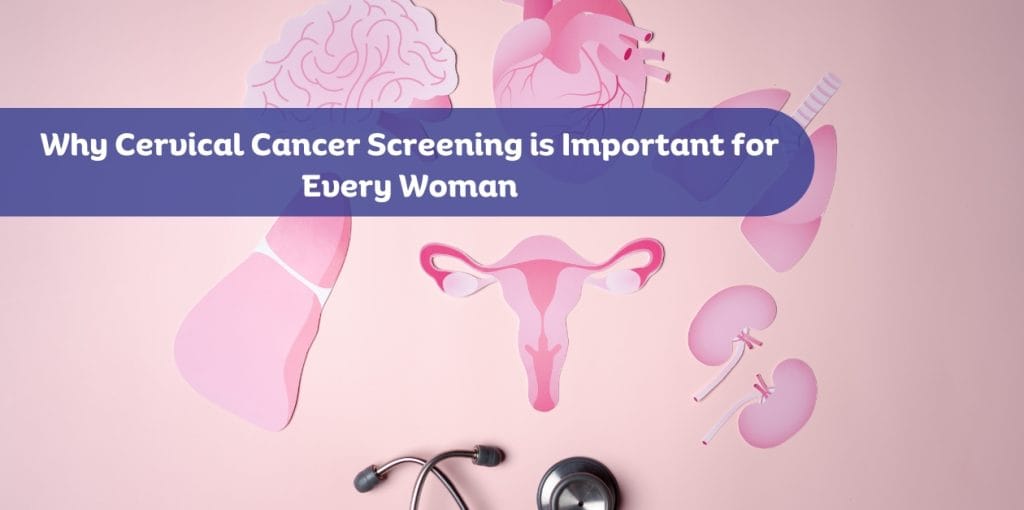
Why Cervical Cancer Screening is Important for Every Woman Cervical cancer is one of the most preventable forms of cancer, yet it continues to be a leading cause of cancer-related deaths among women worldwide. Early detection through regular cervical cancer screening, including the Pap smear test, is crucial for identifying abnormal changes in the cervix before they develop into cancer. What is Cervical Cancer? Cervical cancer occurs when abnormal cells in the cervix, the lower part of the uterus that connects to the vagina, begin to grow uncontrollably. Most cervical cancers are caused by persistent infection with certain strains of human papillomavirus (HPV), a common sexually transmitted infection. Most women who have HPV infections do not develop cervical cancer, but in some cases, the infection can cause changes in the cervix that may eventually lead to cancer if left untreated. Regular cancer screening, such as the Pap smear, helps identify these changes early, giving women a chance to prevent cervical cancer before it even starts. The Importance of Cervical Cancer Screening Early Detection Saves Lives Cervical cancer typically develops slowly over many years, often without symptoms in its initial stages. Cervical cancer screening allows healthcare professionals to detect precancerous changes, known as dysplasia, or early-stage cancer before symptoms appear. By identifying these changes early, women have a greater chance of successful treatment and a much lower risk of developing advanced cervical cancer. Early detection through Pap smear tests can catch abnormal cells at a stage when they can be treated easily, preventing the progression to invasive cancer. Preventative Measures with HPV Vaccination Cervical cancer is primarily linked to HPV infections, with certain strains of the virus being high-risk factors for cancer development. HPV vaccination can significantly reduce the risk of cervical cancer. Routine screening, combined with HPV vaccination, provides a powerful preventative approach. While the vaccine does not treat existing infections, it can protect against the most dangerous strains of the virus that cause cervical cancer. Regular screening remains essential even after vaccination, as it helps identify any changes in the cervix that may not be related to HPV infection. A Simple and Quick Test The Pap smear is a simple, quick, and painless test that can be performed during a routine gynecological exam. During the procedure, a healthcare provider collects a sample of cells from the cervix and examines them for abnormalities. The test is highly effective in detecting precancerous changes and can be done every three years for women aged 21 to 65, depending on the individual’s health history and risk factors. Risk Reduction and Treatment Options When cervical cancer is detected early, treatment options are far less invasive and more successful. For example, if abnormal cells are found, they can often be removed or treated before they turn cancerous. This is particularly true for women under 50, where treatment may involve a colposcopy (a detailed examination of the cervix), loop electrosurgical excision procedure (LEEP), or cryotherapy (freezing abnormal tissue). By engaging in regular cancer screening, women can prevent or minimize the risk of cervical cancer, allowing them to retain their reproductive health and avoid more aggressive treatments like surgery or chemotherapy. When Should You Start Cervical Cancer Screening? The American College of Obstetricians and Gynecologists (ACOG) recommends that women begin cervical cancer screening at age 21, regardless of sexual activity. Women between the ages of 21 and 29 should have a Pap smear every three years. After age 30, women can undergo HPV testing along with the Pap smear every five years or continue with the Pap smear alone every three years. Women over 65 who have had regular screenings and normal results may choose to stop cervical cancer screening. However, those who have a history of cervical cancer or certain precancerous conditions should continue screening. Treatment for Cervical Cancer If cervical cancer is diagnosed, treatment options depend on the stage of the disease. Early-stage cervical cancer may be treated with surgery, such as a hysterectomy (removal of the uterus), while more advanced cases may require a combination of surgery, radiation therapy, and chemotherapy. Advances in targeted therapies and immunotherapies, as part of ongoing clinical trials, are offering new treatment options with fewer side effects and more effective outcomes. Conclusion Cervical cancer screening is one of the most important aspects of preventive care for women. With early detection, many cases of cervical cancer can be successfully treated, and in some cases, even prevented. By staying up to date with regular Pap smears, HPV testing, and cancer screenings, women can significantly reduce their risk and ensure their health is protected for years to come. FAQs Dr Saveetha Rathod Consultant Gynaecologist View Profile About Author Dr Saveetha Rathod MBBS ,MD – PGI , MRCOG – UK,Diploma in cosmetic Gynaecology – ICCG Dr. Saveetha Rathod is a well-known obstetrician and gynecologist in Hyderabad, known for her compassionate care and unwavering dedication to women’s health. She is deeply committed to continuous learning and growth, ensuring that each patient receives personalized and comprehensive support. Dr. Rathod’s collaborative approach and steadfast advocacy make her a trusted partner in every woman’s journey towards optimal well-being, regardless of age or background. Book an Appointment
Endometriosis Treatment Options: What You Need to Know
Endometriosis Treatment Options: What You Need to Know Endometriosis is a chronic condition that affects millions of women worldwide. Characterized by the growth of tissue like the lining inside the uterus (endometrium) outside the uterus, endometriosis can cause severe pelvic pain, hormonal imbalances, and other debilitating symptoms. Despite its widespread impact, the condition remains underdiagnosed and poorly understood. However, groundbreaking research and clinical trials at PI Health Cancer Hospital are shedding new light on effective endometriosis treatment options, offering hope for better management and even potential cures in the future. In this blog, We will also discuss the potential role of hormonal therapies, pain management strategies, and lifestyle changes in managing endometriosis and its related symptoms. Whether you are newly diagnosed or looking for better ways to manage your symptoms, this guide will help you understand your treatment options more clearly. What is Endometriosis? Endometriosis occurs when tissue like the uterine lining grows outside the uterus, often on the ovaries, fallopian tubes, or the pelvic cavity. Each month, this tissue behaves like the normal endometrium, thickening, breaking down, and bleeding with each menstrual cycle. However, because the tissue is outside the uterus, it has nowhere to exit the body. This leads to inflammation, scarring, and the formation of adhesions, which can result in pelvic pain, painful periods, and fertility issues. Common Symptoms of Endometriosis: Pelvic Pain: One of the most common symptoms, often worsened during menstruation. Painful Periods: Intense cramps that do not respond well to over-the-counter medications. Pain during Intercourse: Deep pelvic pain during or after sexual activity. Fatigue: Many women with endometriosis report chronic tiredness. Infertility: Endometriosis is one of the leading causes of infertility in women. Hormonal Imbalance: Changes in estrogen and progesterone levels contribute to symptom severity. Why Is Endometriosis Hard to Diagnose? Diagnosing endometriosis can be challenging, as its symptoms often mimic other conditions like irritable bowel syndrome (IBS) or pelvic inflammatory disease (PID). The only definitive way to diagnose endometriosis is through laparoscopic surgery, which involves a small incision and the insertion of a camera to visualize the endometrial tissue. This is why many women suffer in silence for years before receiving a correct diagnosis. Endometriosis Treatment Options While there is currently no cure for endometriosis, various treatment options can help manage symptoms, reduce pain, and improve quality of life. The following are some of the most common approaches: Hormonal Therapy Hormonal imbalance plays a significant role in the development and exacerbation of endometriosis symptoms. By controlling hormone levels, hormonal therapy can help reduce or eliminate the growth of endometrial-like tissue. Several hormonal treatment options are available, including: Birth Control Pills: Combined oral contraceptives regulate menstrual cycles and reduce menstrual bleeding, which helps alleviate pain. Progestins: These hormones help to shrink endometrial tissue and reduce pelvic pain. Gonadotropin-Releasing Hormone (GnRH) Agonists: These medications temporarily induce a menopause-like state, which can reduce or stop menstruation, minimizing symptoms. IUDs (Intrauterine Devices): The progestin-releasing IUD can reduce heavy bleeding and pain associated with endometriosis. Although hormonal treatments are effective, they come with potential side effects and are not suitable for all women, particularly those who wish to conceive. Pain Management Managing pelvic pain associated with endometriosis is often a priority for women with the condition. Several pain relief options include: NSAIDs (Non-Steroidal Anti-Inflammatory Drugs): Medications like ibuprofen can reduce inflammation and relieve pain. Opioids: Prescribed for severe pain when NSAIDs are ineffective, although they come with a higher risk of dependency. Physical Therapy: Pelvic floor therapy can help alleviate pain and improve pelvic muscle function. Acupuncture: Research has suggested acupuncture as an alternative treatment for pain relief by stimulating the body’s natural pain control mechanisms. At PI Health Cancer Hospital, clinical trials are investigating new pain management techniques, including non-invasive approaches to reducing endometriosis-related discomfort. Surgical Treatments In cases where conservative treatments fail or when fertility is a concern, surgery may be recommended. The two main types of surgery are: Laparoscopy: The most common surgery for diagnosing and treating endometriosis. The surgeon removes or destroys the endometrial tissue using a laser or other surgical tools. Hysterectomy: In severe cases, the removal of the uterus and the ovaries may be necessary, especially when other treatments have not been effective. This is typically reserved for women who are no longer interested in fertility. Lifestyle Changes and Complementary Therapies Beyond traditional medical treatments, there are several lifestyle changes that can improve the management of endometriosis symptoms: Dietary Adjustments: Research shows that an anti-inflammatory diet rich in vegetables, fruits, omega-3 fatty acids, and whole grains can help reduce symptoms of endometriosis. Avoiding dairy and red meat may also benefit some women. Exercise: Regular physical activity, including yoga and light aerobic exercise, can help reduce stress and improve circulation, which may reduce pelvic pain. Mind-Body Techniques: Stress management techniques such as mindfulness, meditation, and deep breathing exercises can help alleviate the emotional strain caused by chronic pain. Conclusion While endometriosis can be a debilitating condition, there are numerous treatment options available to help manage pelvic pain, hormonal imbalances, and other symptoms. From hormonal therapies and pain management strategies to surgical treatments and groundbreaking research at PI Health Cancer Hospital, women now have more choices than ever before. FAQs about Endometriosis and Treatment Options 1. What are the first signs of endometriosis? The most common signs of endometriosis are pelvic pain, painful periods, and pain during intercourse. Many women also experience fatigue and infertility. 2. How is endometriosis diagnosed? The definitive diagnosis of endometriosis requires a laparoscopy, a minimally invasive surgical procedure where the doctor can visually inspect the endometrial tissue outside the uterus. 3. Can endometriosis cause infertility? Yes, endometriosis can lead to fertility problems. The inflammation and scarring caused by endometrial tissue outside the uterus can interfere with egg release, implantation, and sperm transport. 4. Are there natural treatments for endometriosis? While no natural treatment can cure endometriosis, dietary changes, exercise, and acupuncture have been shown to alleviate symptoms and improve quality of life for some women. 5. How can
Signs of Hormonal Imbalance and How to Restore Balance
Managing Irregular Periods: Causes and Treatment Options Hormonal imbalances can have a significant impact on women’s health, affecting everything from metabolism and mood to reproductive health. Hormones play a vital role in regulating various bodily functions, and when they are out of balance, they can cause a range of symptoms. Hormonal imbalance is particularly common during life stages like menopause, but it can occur at any age due to numerous factors such as stress, diet, and medical conditions. What is Hormonal Imbalance? Hormonal imbalance occurs when there is an excess or deficiency of certain hormones in the body. Hormones are produced by glands such as the thyroid, adrenal glands, and ovaries, and they regulate processes like metabolism, mood, and fertility. When these hormones are out of balance, women may experience physical and emotional symptoms that disrupt their daily lives. Common Causes of Hormonal Imbalance: Menopause: As women approach menopause, hormone levels (especially estrogen and progesterone) fluctuate, causing symptoms like hot flashes, night sweats, and mood swings. Polycystic Ovary Syndrome (PCOS): This condition causes an imbalance of reproductive hormones, leading to irregular periods, excessive hair growth, and fertility issues. Thyroid Disorders: Hypothyroidism or hyperthyroidism can disrupt hormone production, affecting metabolism and energy levels. Stress: Elevated levels of stress lead to an overproduction of cortisol, which can disrupt other hormone levels. Poor Diet and Lifestyle: Diets high in processed foods, lack of exercise, and insufficient sleep can contribute to hormonal imbalances. Signs of Hormonal Imbalance Hormonal imbalances can manifest in several ways. Here are some of the most common signs that your hormones might be out of balance: Irregular Menstrual Cycles One of the most noticeable signs of hormonal imbalance in women is irregular periods. If your cycle is longer or shorter than usual, or if you experience heavier or lighter bleeding, this may indicate a hormonal imbalance, particularly related to estrogen or progesterone. Unexplained Weight Gain or Difficulty Losing Weight Hormones such as insulin, cortisol, and thyroid hormones play a role in regulating metabolism. An imbalance in these hormones can result in weight gain, especially around the abdomen, or difficulty losing weight despite diet and exercise efforts. Fatigue or Low Energy When your hormones are out of balance, it can lead to constant fatigue. Imbalances in thyroid hormones, cortisol, or estrogen can cause exhaustion, even if you are getting enough sleep. Mood Swings or Irritability Hormones influence mood. Women experiencing hormonal imbalances may experience sudden mood swings, anxiety, irritability, or depression. These symptoms are often seen during menopause or perimenopause when estrogen and progesterone levels fluctuate. Hot Flashes and Night Sweats Hot flashes and night sweats are hallmark symptoms of menopause and perimenopause. These symptoms occur when estrogen levels drop, causing your body’s temperature regulation system to malfunction temporarily. Sleep Disturbances Hormonal imbalances can disrupt sleep, leading to insomnia or poor-quality sleep. Both cortisol (the stress hormone) and melatonin (the sleep hormone) play a role in regulating sleep patterns, and an imbalance can lead to difficulty falling or staying asleep. Skin Changes and Acne Hormonal imbalances can lead to skin problems such as acne, particularly around the chin and jawline. This is commonly seen in women with PCOS, where an excess of androgens (male hormones) causes the skin to become oilier and acne prone. How to Restore Hormonal Balance Restoring hormonal balance involves addressing the underlying causes of the imbalance, whether they are lifestyle-related, due to a medical condition, or linked to natural hormonal changes like menopause. Here are some strategies that can help restore hormonal balance: Hormone Therapy Hormone therapy (HT) is a common treatment used to restore hormonal balance, especially during menopause. Estrogen and progesterone are typically prescribed to alleviate menopausal symptoms like hot flashes, night sweats, and vaginal dryness. Hormone therapy can be administered in various forms, including pills, patches, creams, or vaginal rings. At PI Health Cancer Hospital, clinical trials are exploring bioidentical hormone therapy, which uses hormones that are chemically identical to those naturally produced in the body. This personalized approach aims to provide more precise and effective hormone replacement options for women. Lifestyle Modifications Making changes to your diet, exercise routine, and stress levels can have a significant impact on hormonal health: Balanced Diet: Focus on eating nutrient-dense foods rich in fiber, healthy fats, and protein. Incorporating foods that support hormonal health, such as flaxseeds, leafy greens, and fatty fish, can help regulate hormone levels. Regular Exercise: Physical activity helps balance insulin, cortisol, and thyroid hormones, promoting overall hormonal health. Stress Management: Reducing stress through mindfulness practices, yoga, or relaxation techniques can help lower cortisol levels and restore balance to other hormones. Supplements Certain supplements can support hormonal health and alleviate symptoms of imbalance. For example, magnesium, vitamin D, and omega-3 fatty acids can help support the thyroid and adrenal glands. Adaptogenic herbs like ashwagandha and maca root may also help the body better manage stress. Medical Treatments For more severe hormonal imbalances, medical interventions such as thyroid medications, birth control pills, or insulin-sensitizing drugs (such as metformin for women with PCOS) may be recommended by your healthcare provider. Groundbreaking Research at PI Health Cancer Hospital At PI Health Cancer Hospital, groundbreaking clinical trials are pushing the boundaries of understanding hormonal imbalances and their treatments. Some of the innovative approaches currently being researched include: Gene Therapy for Hormonal Disorders: Exploring how gene therapy can correct genetic issues that lead to hormonal imbalances. Stem Cell Therapy: Investigating the potential of stem cells to regenerate damaged hormonal glands and restore natural hormone production. Advanced Hormone Delivery Systems: Testing more effective and personalized hormone delivery methods that can minimize side effects and improve patient outcomes. These innovative treatments have the potential to revolutionize how we manage hormonal imbalances, providing women with more tailored and effective solutions. Conclusion Hormonal imbalances are a common yet complex issue that can significantly impact women’s health. Whether caused by menopause, stress, thyroid disorders, or other factors, recognizing the signs of hormonal imbalance early is key to effective treatment. If you are experiencing
Managing Irregular Periods: Causes and Treatment Options
Managing Irregular Periods: Causes and Treatment Options Irregular periods are a common issue many women face at some point in their lives. While the menstrual cycle is a natural process, any deviation from the typical 28-day cycle, whether it be prolonged periods, skipped cycles, or unusually heavy bleeding, can cause concern. Understanding the causes and exploring treatment options for irregular periods can help restore balance and improve overall women’s health. In this blog, we will explore the common causes of irregular periods, the connection to hormonal imbalance, and effective treatment options. What Are Irregular Periods? Before delving into the causes and treatment, it’s important to understand what qualifies as irregular periods. A typical menstrual cycle lasts between 21 to 35 days. Anything outside of this range, including cycles that are much shorter or longer, or if a woman skips several periods in a row, is considered irregular. Irregularities in periods can manifest as: Heavy periods (menorrhagia) Light periods Skipped periods Frequent periods These irregularities can disrupt daily life, causing emotional and physical distress. Understanding what causes these issues is key to finding an effective treatment. Common Causes of Irregular Periods Several factors can contribute to irregular periods, with hormonal imbalance being one of the primary culprits. Some of the most common causes include: Polycystic Ovary Syndrome (PCOS) One of the most prevalent causes of irregular periods is polycystic ovary syndrome (PCOS), a hormonal disorder that affects many women of reproductive age. Women with PCOS may experience long cycles, skipped periods, or heavy bleeding. The hormonal imbalance in PCOS leads to the ovaries producing an excess of androgens (male hormones), which disrupt the normal menstrual cycle. Thyroid Disorders The thyroid plays a key role in regulating metabolism and hormone production. Hypothyroidism (underactive thyroid) and hyperthyroidism (overactive thyroid) can cause irregular periods. When the thyroid isn’t functioning properly, it can disrupt the menstrual cycle, leading to lighter or heavier periods, or missed periods altogether. Hormonal Imbalance In addition to PCOS, various factors can lead to an overall hormonal imbalance. These include changes in estrogen and progesterone levels, which may be triggered by stress, lifestyle changes, or menopause. A common scenario is low progesterone levels, which may lead to longer periods of menstruation or cycles without ovulation. Perimenopause As women approach menopause, they often experience irregular periods due to the body’s transition into a post-reproductive phase. During perimenopause, the ovaries start producing less estrogen, leading to changes in the menstrual cycle. Periods may become longer, heavier, or less frequent as hormone levels fluctuate. Stress and Lifestyle Factors Chronic stress, excessive weight gain or loss, and significant lifestyle changes can have a profound impact on hormonal balance and the menstrual cycle. Stress triggers the release of cortisol, a hormone that can disrupt the hypothalamus-pituitary-ovarian axis, which regulates the menstrual cycle. Medical Conditions Several medical conditions can cause irregular periods, including endometriosis, fibroids, diabetes, and certain autoimmune diseases. These conditions can affect the reproductive organs and alter hormone production, leading to menstrual irregularities. Treatment Options for Irregular Periods Treating irregular periods depends on the underlying cause. Here are some common treatment options: Hormonal Birth Control For women experiencing irregular periods due to hormonal imbalances, birth control pills, patches, or IUDs can help regulate the menstrual cycle. These methods provide a consistent level of hormones that help stabilize the cycle and reduce heavy bleeding or skipped periods. Medications for Hormonal Imbalance In cases of PCOS or other hormonal imbalances, medications like metformin (used to improve insulin sensitivity in women with PCOS) or progesterone therapy can help regulate periods and restore hormonal balance. Clomiphene citrate is often prescribed for women with irregular ovulation who are trying to conceive. Thyroid Treatment If irregular periods are caused by a thyroid disorder, treating the underlying thyroid condition will often restore normal menstrual function. Levothyroxine is a commonly prescribed medication for hypothyroidism, while hyperthyroidism may require medications to reduce thyroid activity. Lifestyle Changes Managing stress, maintaining a healthy weight, and engaging in regular exercise can improve overall health and help regulate menstrual cycles. Adopting a balanced diet rich in vitamins and minerals also plays an essential role in maintaining hormonal balance and healthy periods. Surgical Options For women with fibroids or endometriosis, surgery may be necessary to remove growths or adhesions that interfere with the menstrual cycle. In extreme cases, hysterectomy (removal of the uterus) may be recommended for women who no longer wish to have children and have significant menstrual disruptions Conclusion Irregular periods can stem from a variety of causes, from hormonal imbalances to lifestyle factors and underlying health conditions. While these irregularities can be concerning, understanding the root cause and exploring treatment options such as hormonal therapies, birth control, and lifestyle changes can help restore balance. FAQs About Uterine Fibroids and Treatment Options 1. What causes irregular periods? Irregular periods can be caused by hormonal imbalances, medical conditions like PCOS or thyroid disorders, lifestyle factors, or the transition into menopause. 2. How can I manage hot flashes naturally? Yes, stress can disrupt the hormonal regulation of the menstrual cycle, leading to irregular or missed periods. 3. What are the symptoms of hormonal imbalance? Symptoms include irregular periods, weight gain, mood swings, acne, and excessive hair growth, particularly in women with PCOS. 4. How can I regulate my period naturally? Maintaining a healthy diet, reducing stress, exercising regularly, and managing weight can help regulate menstrual cycles. 5. Are irregular periods a sign of infertility? Irregular periods can affect ovulation and fertility, particularly in conditions like PCOS. However, it is possible to conceive with irregular cycles through medical intervention. 6. When should I see a doctor for irregular periods? If irregular periods persist for several months or are accompanied by severe pain, excessive bleeding, or other health issues, it’s important to consult with a gynecologist for proper diagnosis and treatment. Dr Saveetha Rathod Consultant Gynaecologist View Profile About Author Dr Saveetha Rathod MBBS ,MD – PGI , MRCOG – UK,Diploma in cosmetic Gynaecology – ICCG Dr. Saveetha Rathod is
How to Manage Menopause Symptoms Naturally
How to Manage Menopause Symptoms Naturally Menopause is a natural phase in a woman’s life, marking the cessation of menstruation and often bringing a range of symptoms due to hormonal changes. While many women seek hormone replacement therapy (HRT) to manage these symptoms, a growing number are turning to natural remedies for relief. If you are looking for ways to manage menopause symptoms naturally, it is essential to understand both the challenges that accompany this life stage and the innovative research taking place at PI Health Cancer Hospital. In particular, clinical trials focusing on women’s health and menopause treatments offer promising natural alternatives. In this article, we will explore natural methods to alleviate menopause symptoms and spotlight groundbreaking clinical trials at PI Health Cancer Hospital that are advancing women’s healthcare. These studies focus on minimizing menopause-related challenges through non-hormonal therapies, potentially offering women a safer and more effective route for managing this significant life transition. Understanding Menopause and Its Symptoms Menopause occurs when a woman’s ovaries stop producing estrogen and progesterone, leading to the cessation of menstrual cycles. Typically, menopause occurs between the ages of 45 and 55, but some women may experience early or late onset. As estrogen levels decline, several physical and emotional symptoms may arise, including: Hot Flashes: A sudden feeling of intense heat, often accompanied by sweating and flushed skin. Night Sweats: Hot flashes that occur during the night, often disrupting sleep. Mood Swings: Hormonal fluctuations can lead to irritability, anxiety, and even depression. Vaginal Dryness: Reduced estrogen levels can cause vaginal atrophy, leading to discomfort during intercourse. Sleep Disturbances: Difficulty falling asleep or staying asleep due to night sweats and hormonal imbalances. Weight Gain: Hormonal changes during menopause can slow metabolism, contributing to weight gain, especially around the abdomen. While these symptoms are common, their severity can vary. Thankfully, clinical trials conducted at PI Health Cancer Hospital are shedding new light on natural treatments that could help alleviate these symptoms without resorting to traditional hormone therapy. Natural Ways to Manage Menopause Symptoms Managing menopause symptoms naturally is an option for many women prefer. Here are some holistic approaches that have shown promise for reducing the discomforts of menopause: Herbal Remedies Herbal remedies have long been used to alleviate menopause symptoms. Clinical trials at PI Health Cancer Hospital have focused on the effectiveness of certain herbs in balancing hormones and reducing menopause symptoms. Some promising herbs include: Black Cohosh: Known for its ability to reduce hot flashes and night sweats, black cohosh is widely used in natural menopause treatment. Red Clover: Contains phytoestrogens that may mimic estrogen and help ease hot flashes and vaginal dryness. Dong Quai: This herb is believed to help regulate hormones and reduce symptoms like hot flashes and mood swings. Chasteberry (Vitex): Often used to help with hormone regulation, chasteberry may alleviate mood swings and irritability. Although these herbs are well-tolerated, it is important to consult with a healthcare provider before starting any new herbal regimen, especially if you are on other medications. Dietary Changes Diet plays a significant role in managing menopause symptoms naturally. Research conducted at PI Health Cancer Hospital has highlighted the importance of phytoestrogens and other key nutrients in supporting hormonal balance during menopause. Some dietary changes to consider include: Phytoestrogen-Rich Foods: Incorporating foods like soy, flaxseeds, and lentils, which contain natural plant estrogens, can help balance hormone levels and reduce hot flashes. Omega-3 Fatty Acids: Foods such as fatty fish (salmon, mackerel), walnuts, and chia seeds are rich in omega-3s, which have been shown to reduce inflammation and improve mood. Calcium and Vitamin D: Due to the risk of bone density loss during menopause, ensure your diet includes calcium-rich foods (like leafy greens, dairy, and fortified plant milks) and vitamin D to support bone health. Avoid Triggers: Certain foods and drinks, such as alcohol, caffeine, and spicy foods, can worsen hot flashes and disrupt sleep. Reducing or eliminating these from your diet may help. PI Health Cancer Hospital’s clinical trials have explored the impact of diet and supplementation in managing hormonal changes during menopause, providing promising results for women seeking natural relief. Regular Exercise Exercise is an essential part of a healthy lifestyle, and it becomes even more important during menopause. PI Health Cancer Hospital’s research into menopause and women’s health has demonstrated that regular physical activity can significantly reduce symptoms and improve overall well-being. The benefits include: Reducing Hot Flashes: Regular exercise helps regulate body temperature, which can reduce the frequency and intensity of hot flashes. Improved Mood: Exercise increases endorphins, which are natural mood elevators, helping combat mood swings, anxiety, and depression associated with menopause. Weight Management: Maintaining a healthy weight can help mitigate the metabolic changes that often lead to weight gain during menopause. Better Sleep: Regular physical activity promotes deeper, more restful sleep, reducing insomnia caused by hormonal fluctuations. Aim for a combination of cardiovascular exercises (like walking or swimming) and strength training to support muscle mass and metabolism. Mind-Body Therapies Mind-body techniques such as yoga, meditation, and deep breathing exercises are powerful tools for managing menopause symptoms. PI Health Cancer Hospital is also conducting clinical trials to explore the role of these therapies in alleviating symptoms and improving mental health during menopause. Benefits include: Stress Reduction: Hormonal changes during menopause can cause increased stress and anxiety, but practices like yoga and meditation can help manage these emotions. Improved Sleep: Relaxation techniques help calm the mind, promoting better sleep and reducing insomnia caused by night sweats. Mental Clarity: Mindfulness and meditation can enhance focus and memory, combating cognitive fog that often accompanies menopause. Acupuncture Acupuncture, a traditional Chinese medicine technique, is another promising natural remedy for menopause. By stimulating specific points in the body, acupuncture can help balance hormones, reduce hot flashes, improve mood, and enhance sleep quality. Clinical trials at PI Health Cancer Hospital are exploring acupuncture’s potential to ease menopause symptoms and support overall well-being. Conclusion Managing menopause symptoms naturally is an empowering option for many women seeking relief from