
The Latest Treatments for Esophageal Cancer

The Latest Treatments for Esophageal Cancer Esophageal cancer is a type of digestive cancer that begins in the esophagus, the tube that carries food and liquids from the mouth to the stomach. Though it is less common compared to other forms of cancer, esophageal cancer is particularly aggressive and often diagnosed in advanced stages, making early detection and treatment crucial. As cancer therapies continue to evolve, patients now have access to more targeted and effective treatment options than ever before. Understanding Esophageal Cancer Esophageal cancer occurs when abnormal cells in the esophagus begin to grow uncontrollably. These cells can form tumors and disrupt normal digestion, leading to symptoms like difficulty swallowing, weight loss, chest pain, and chronic coughing. The most common types of esophageal cancer are adenocarcinoma and squamous cell carcinoma. Adenocarcinoma typically develops in the lower part of the esophagus, near the stomach, while squamous cell carcinoma forms in the upper or middle part of the esophagus. The exact causes of esophageal cancer are not fully understood, but factors such as smoking, heavy alcohol consumption, chronic acid reflux (GERD), and obesity have been linked to an increased risk. Early detection is critical, but the symptoms often do not appear until the cancer has progressed, which makes it challenging to diagnose at an early stage. The Latest Treatments for Esophageal Cancer Over the past few years, oncology research has led to significant advancements in the treatment of esophageal cancer. The latest therapies focus on a combination of surgery, radiation, chemotherapy, and cutting-edge therapies such as immunotherapy and targeted therapies. Surgical Treatment Surgery remains one of the most common and effective ways to treat esophageal cancer, particularly in its early stages. Depending on the tumor’s size and location, the following surgical options may be considered: Esophagectomy: The removal of part or all of the esophagus. This surgery can be curative for localized tumors and may involve reconstructing the esophagus using other parts of the digestive system. Minimally Invasive Surgery: Advances in robotic and laparoscopic techniques allow for less invasive surgeries, which offer faster recovery times and reduced risk of complications. While surgery is effective for early-stage cancers, it is often combined with other therapies for more advanced cases. Chemotherapy Chemotherapy uses powerful drugs to kill cancer cells or stop their growth. It is often used in combination with surgery or radiation therapy, especially in advanced stages of esophageal cancer. Chemotherapy can be given before surgery (neoadjuvant chemotherapy) to shrink the tumor or after surgery (adjuvant chemotherapy) to eliminate remaining cancer cells. Recent advances in chemotherapy have led to more effective drug regimens that target cancer cells more precisely, reducing side effects and improving overall outcomes. Radiation Therapy Radiation therapy uses high-energy rays to destroy cancer cells and shrink tumors. In esophageal cancer treatment, radiation is commonly used in combination with chemotherapy to improve the effectiveness of treatment. It can also be used to ease symptoms in advanced cancer cases, such as difficulty swallowing. Recent developments in radiation therapy include techniques like intensity-modulated radiation therapy (IMRT), which allows for more precise targeting of tumors while minimizing damage to surrounding healthy tissues. Immunotherapy One of the most promising new treatments for esophageal cancer is immunotherapy, which helps the immune system recognize and fight cancer cells. Drugs like checkpoint inhibitors have shown significant promise in clinical trials, helping to activate the immune system’s response against tumors. Immunotherapy is particularly useful for patients whose cancer has not responded to traditional treatments. Clinical trials are ongoing at Pi Health Cancer Hospital to explore the potential of immunotherapy in combination with other cancer therapies, such as chemotherapy. Targeted Therapy Targeted therapy uses drugs to specifically target cancer cells without affecting surrounding healthy cells. This approach has been particularly effective for certain types of esophageal cancer, such as HER2-positive esophageal cancer, where targeted therapies like trastuzumab (Herceptin) can be used to block the growth of cancer cells. Conclusion Esophageal cancer is a serious and challenging disease, but thanks to advances in medical research and treatment, patients now have more effective options for diagnosis and therapy than ever before. By staying informed about the latest oncology advancements and exploring innovative treatments such as immunotherapy, targeted therapies, and surgical interventions, patients can take proactive steps toward better outcomes. For more information about esophageal cancer treatment and clinical trials, visit Pi Health Cancer Hospital. Early detection and cutting-edge treatments are key to improving survival rates and quality of life for patients with esophageal cancer. FAQS 1. What are the early symptoms of bladder cancer? Common early symptoms of bladder cancer include blood in urine, painful urination, frequent urination, and back or pelvic pain. 2. Can bladder cancer cause pain during urination? Yes, painful urination is one of the common symptoms of bladder cancer, often caused by irritation in the bladder lining. 3. How is bladder cancer diagnosed? Bladder cancer is diagnosed through a combination of tests, including cystoscopy, urine tests, and imaging scans such as CT or MRI. 4. What is the survival rate for bladder cancer? The survival rate for bladder cancer depends on the stage at diagnosis. Early-stage bladder cancer has a high survival rate, but it decreases as the cancer advances. 5. How does immunotherapy work for bladder cancer? Immunotherapy enhances the body’s immune response to target and destroy cancer cells, and it’s being tested in clinical trials at Pi Health Cancer Hospital. Dr. A. Venugopal Clinical Director & HOD Medical Oncology Senior Consultant Medical Oncologist & Hemato-Oncologist View Profile About Author Dr. A. Venugopal MD (General Medicine), DM (Medical Oncology), MRCP – SCE Medical Oncology (UK), ECMO (Switzerland). Dr A. Venugopal is One of the best medical oncologist and Hemato Oncologist in hyderabad, currently serving as the Head of the Department and Senior Medical Oncologist, Hemato Oncologist at Pi Health Cancer Hospital in Gachibowli, Hyderabad. He brings over 15 years of extensive experience in the field of Oncology. Book an Appointment
Signs and Symptoms of Bladder Cancer You Should Be Aware Of
Signs and Symptoms of Bladder Cancer You Should Be Aware Of Bladder cancer, a type of urinary cancer, is a serious condition that can affect anyone but is most commonly diagnosed in older adults. Recognizing the bladder cancer symptoms early can be life-saving, as it leads to a quicker cancer diagnosis and a greater chance of successful treatment. In this blog, we will explore the common signs and symptoms of bladder cancer, the importance of early detection. Our goal is to help you understand the disease better and encourage proactive monitoring and treatment. Understanding Bladder Cancer: What Is It? Bladder cancer is the growth of abnormal cells in the lining of the bladder, which can lead to a tumor. The most common form of bladder cancer is urothelial carcinoma (also called transitional cell carcinoma), which begins in the cells lining the bladder. Though bladder cancer can be detected at an early stage, it’s critical to be aware of the bladder cancer symptoms to ensure prompt treatment. Common Bladder Cancer Symptoms Early detection of bladder cancer is key to successful treatment. The symptoms of bladder cancer often mimic those of other urinary issues, but there are certain signs you should be especially aware of. Blood in Urine (Hematuria) The most noticeable and common symptom of bladder cancer is blood in urine, or hematuria. This symptom may appear as pink, red, or brown-colored urine, and it can be intermittent. While hematuria is not always caused by cancer, it is a red flag that warrants immediate medical attention. It’s crucial to consult an oncologist to determine the cause. Painful Urination (Dysuria) People with bladder cancer may experience painful urination or a burning sensation while passing urine. This discomfort is caused by the irritation of the urinary tract, often due to the presence of a tumor within the bladder lining. Frequent Urination If you notice an increase in the urgency or frequency of urination, particularly during the night (nocturia), it could be a symptom of urinary cancer. This may occur because a tumor is causing obstruction or irritation in the bladder, affecting the normal flow of urine. Back or Pelvic Pain Advanced bladder cancer may cause persistent back pain or pelvic pain, especially if the tumor spreads to surrounding tissues or organs. If you experience unexplained and ongoing pain in these areas, it is important to seek medical attention as it could indicate a more serious condition. Feeling of Incomplete Bladder Emptying A constant sensation of incomplete bladder emptying can also be a symptom of bladder cancer. This occurs when a tumor or abnormal cell growth is obstructing the bladder’s ability to fully empty during urination. Unexplained Weight Loss and Fatigue While less common as an initial symptom, unexplained weight loss and fatigue may indicate that bladder cancer has reached an advanced stage. When cancer spreads beyond the bladder, it can interfere with normal bodily functions, leading to fatigue and a lack of energy. Swelling in the Legs In advanced stages, swelling in the legs can occur due to the spread of cancer to lymph nodes or other parts of the body. This symptom, in combination with others, may indicate that the cancer has spread and is no longer confined to the bladder. Importance of Early Diagnosis While some of these symptoms can be caused by conditions other than cancer, it is crucial to consult with a healthcare provider if you experience any of them. Early diagnosis significantly increases the chances of successful treatment and helps avoid complications associated with advanced cancer. Diagnostic tests like cystoscopy, urine tests, and imaging studies are used to confirm the presence of bladder cancer and determine the extent of the disease. Conclusion Recognizing the signs and symptoms of bladder cancer early can significantly improve your chances of successful treatment. If you notice any of the symptoms mentioned above, it’s essential to seek medical advice as soon as possible. For more information about bladder cancer or to consult with one of our experts, visit Pi Health Cancer Hospital’s Cancer Research Page and learn more about how we are working to revolutionize cancer care. FAQS 1. What are the early symptoms of bladder cancer? Common early symptoms of bladder cancer include blood in urine, painful urination, frequent urination, and back or pelvic pain. 2. Can bladder cancer cause pain during urination? Yes, painful urination is one of the common symptoms of bladder cancer, often caused by irritation in the bladder lining. 3. How is bladder cancer diagnosed? Bladder cancer is diagnosed through a combination of tests, including cystoscopy, urine tests, and imaging scans such as CT or MRI. 4. What is the survival rate for bladder cancer? The survival rate for bladder cancer depends on the stage at diagnosis. Early-stage bladder cancer has a high survival rate, but it decreases as the cancer advances. 5. How does immunotherapy work for bladder cancer? Immunotherapy enhances the body’s immune response to target and destroy cancer cells, and it’s being tested in clinical trials at Pi Health Cancer Hospital. Dr. A. Venugopal Clinical Director & HOD Medical Oncology Senior Consultant Medical Oncologist & Hemato-Oncologist View Profile About Author Dr. A. Venugopal MD (General Medicine), DM (Medical Oncology), MRCP – SCE Medical Oncology (UK), ECMO (Switzerland). Dr A. Venugopal is One of the best medical oncologist and Hemato Oncologist in hyderabad, currently serving as the Head of the Department and Senior Medical Oncologist, Hemato Oncologist at Pi Health Cancer Hospital in Gachibowli, Hyderabad. He brings over 15 years of extensive experience in the field of Oncology. Book an Appointment
Recognizing the Early Symptoms of Leukemia
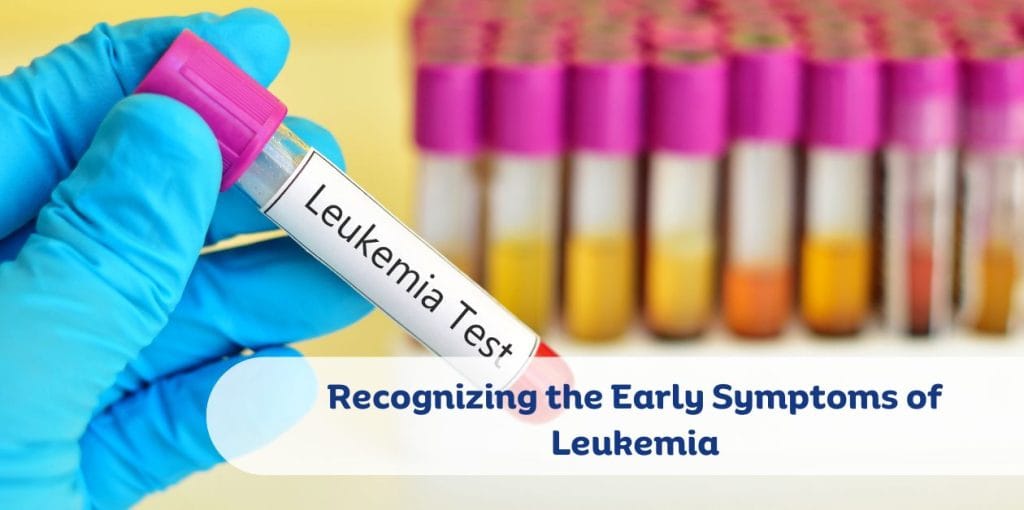
Recognizing the Early Symptoms of Leukemia Leukemia is a blood cancer that originates in the bone marrow and affects the blood and immune system. As one of the most common forms of cancer affecting both adults and children, it is crucial to recognize the early symptoms of leukemia for timely intervention and effective treatment. At Pi Health Cancer Hospital, pioneering clinical trials are pushing the boundaries of leukemia research, offering patients access to the latest advancements in cancer treatment. What is Leukemia? Leukemia is a type of cancer that affects the blood and bone marrow, where blood cells are produced. It causes the body to produce abnormal white blood cells that can’t function properly. These abnormal cells can crowd out healthy blood cells, leading to issues such as infections, bleeding, and anemia. The condition can manifest in several forms, with the most common types being acute lymphoblastic leukemia (ALL), acute myeloid leukemia (AML), chronic lymphocytic leukemia (CLL), and chronic myelogenous leukemia (CML). Early Symptoms of Leukemia Recognizing the early signs of leukemia can be challenging because they often resemble those of other less serious illnesses. However, identifying these symptoms early can significantly improve treatment outcomes. Some common leukemia symptoms to watch for include: Fatigue and Weakness Feeling unusually tired or weak, even after rest, is one of the most common leukemia symptoms. This occurs due to a decrease in healthy red blood cells, leading to anemia. Frequent Infections Leukemia compromises the immune system, making individuals more vulnerable to infections. If you or a loved one notice persistent or recurrent infections, it could be a sign that leukemia is affecting the production of healthy white blood cells. Unexplained Bruising or Bleeding Easy bruising, frequent nosebleeds, or unusual bleeding from the gums are warning signs of leukemia. This is caused by the abnormal production of blood cells that affects clotting. Pain or Fullness in the Abdomen Leukemia can cause the spleen or liver to enlarge, leading to abdominal pain or a sensation of fullness. In some cases, this can also affect digestion. Pale or Blotchy Skin Paleness is another sign of leukemia, due to a decrease in red blood cells. Some individuals may also experience a blotchy appearance or a yellowish tint to their skin. Fever or Unexplained Weight Loss Fever, which occurs without any infection, or sudden and unexplained weight loss, can also be indicative of leukemia. These symptoms are a result of the body’s response to the abnormal growth of blood cells. Swollen Lymph Nodes Swelling of the lymph nodes, typically found in the neck, armpit, or groin, can occur when leukemia cells spread to these areas. This is another potential symptom of leukemia. Why Early Diagnosis is Crucial Early detection of leukemia is crucial for improving survival rates. By recognizing the signs and seeking prompt medical attention, patients can begin treatment at the earliest possible stage. Early treatment can prevent the progression of the disease and improve the overall prognosis. Moreover, breakthroughs in cancer treatment are enabling patients to access new therapies that can be more effective in the early stages of the disease. Cancer Treatment: What You Need to Know Cancer treatment has evolved dramatically over the years. In the case of leukemia, the treatment options depend on the type and stage of the disease. Some of the most common treatments include: Chemotherapy: The most common treatment for leukemia, involving drugs that kill cancer cells or stop their growth. Radiation Therapy: Uses high-energy rays to target and kill leukemia cells. Bone Marrow or Stem Cell Transplant: This procedure replaces damaged bone marrow with healthy stem cells, allowing the body to produce normal blood cells. Targeted Therapy: Drugs that specifically target the cancerous cells, minimizing damage to normal cells. Immunotherapy: A promising treatment that boosts the body’s immune system to fight leukemia. Conclusion Recognizing the early symptoms of leukemia and seeking prompt treatment is crucial for improving survival rates and quality of life. At Pi Health Cancer Hospital, the groundbreaking work being done in clinical trials is offering new hope to those battling blood cancers. condition. For more information on leukemia symptoms, treatment options, and clinical trials, visit Pi Health Cancer Hospital. By staying informed and aware of the symptoms, we can take important steps toward early diagnosis and effective treatment. FAQS 1. What are the main causes of leukemia? Leukemia is caused by mutations in the DNA of bone marrow cells. While the exact cause is not always clear, certain factors such as genetics, exposure to radiation, and certain chemicals can increase the risk of developing leukemia. pain, and jaundice. cancer and other related cancers. 2. How is leukemia diagnosed? Leukemia is diagnosed through blood tests, bone marrow biopsies, and imaging tests. Early detection is vital for effective treatment. 3Can leukemia be prevented? While leukemia cannot be prevented, leading a healthy lifestyle, avoiding harmful chemicals, and reducing exposure to radiation can help lower the risk. 4. What is the survival rate for leukemia? The survival rate for leukemia depends on the type and stage of the disease. With early detection and advancements in treatment, survival rates have significantly improved. 5. 5. How long does leukemia treatment take? The duration of leukemia treatment depends on the type and stage of the disease. Some treatments can last several months, while others may be lifelong. 6. What are the latest advancements in leukemia treatment? Some of the most promising advancements in leukemia treatment include targeted therapy, immunotherapy, and stem cell transplants, which offer more precise and effective treatment options. 7. How can I participate in a clinical trial for leukemia? To participate in a clinical trial at Pi Health Cancer Hospital, consult with your oncologist or contact the hospital for more information on ongoing trials and eligibility. Dr. A. Venugopal Clinical Director & HOD Medical Oncology Senior Consultant Medical Oncologist & Hemato-Oncologist View Profile About Author Dr. A. Venugopal MD (General Medicine), DM (Medical Oncology), MRCP – SCE Medical Oncology (UK), ECMO (Switzerland). Dr A. Venugopal is One of the
Pancreatic Cancer: Treatment Options and Prognosis
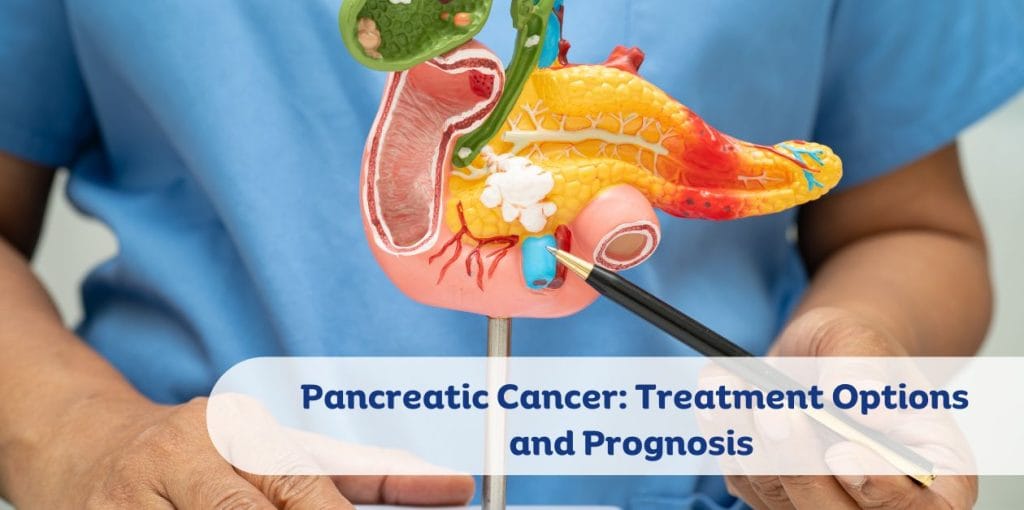
Pancreatic Cancer: Treatment Options and Prognosis Pancreatic cancer, one of the most aggressive forms of cancer, poses significant challenges in early detection and treatment. This cancer often goes unnoticed in its early stages, and by the time symptoms appear, it is usually at an advanced stage. However, with advancements in pancreatic cancer treatment and groundbreaking cancer therapies, there is hope for improved outcomes. At Pi Health Cancer Hospital, a leading institution in cancer research and treatment, innovative clinical trials are changing the landscape of pancreatic cancer care. Understanding Pancreatic Cancer Pancreatic cancer begins in the pancreas, an organ located behind the stomach that produces digestive enzymes and hormones such as insulin. The most common form of pancreatic cancer is pancreatic ductal adenocarcinoma (PDAC), which accounts for nearly 90% of all cases. Due to its location and the lack of specific symptoms in the early stages, pancreatic cancer is often diagnosed at an advanced stage, which makes it harder to treat. The 5-year survival rate for pancreatic cancer remains low, but with new treatments and clinical trials, survival rates are slowly improving. Treatment Options for Pancreatic Cancer Pancreatic cancer treatment depends on the stage of the cancer, the patient’s overall health, and other factors. The primary treatment options include: Surgery Surgery is often the most effective treatment for pancreatic cancer, especially if the tumor is confined to the pancreas and has not spread to other organs. The Whipple procedure (pancreaticoduodenectomy) is the most common surgery for pancreatic cancer, which involves the removal of the pancreas’ head, part of the small intestine, the bile duct, and sometimes a portion of the stomach. Chemotherapy Chemotherapy is a standard treatment for pancreatic cancer, often used in combination with other therapies. It involves using powerful drugs to kill cancer cells or stop their growth. Some commonly used chemotherapy regimens for pancreatic cancer include FOLFIRINOX and Gemcitabine, which help control tumor growth and improve quality of life. Radiation Therapy Radiation therapy uses high-energy rays to target cancer cells. It may be used before surgery to shrink tumors or after surgery to eliminate remaining cancer cells. It can also help relieve pain for patients with advanced pancreatic cancer. Targeted Therapy Targeted therapy is a type of cancer treatment that targets specific molecules involved in the growth and spread of cancer cells. For pancreatic cancer, targeted therapies aim to block proteins or genes that contribute to tumor growth. Erlotinib and Nab-paclitaxel are examples of targeted therapies used for pancreatic cancer. Immunotherapy Immunotherapy is an innovative treatment that uses the body’s immune system to fight cancer. While it has shown promise in other cancers, it is still being explored for pancreatic cancer. Clinical trials are testing various immunotherapies, including immune checkpoint inhibitors, to enhance the immune response against pancreatic cancer cells. Palliative Care Palliative care focuses on improving the quality of life for patients with advanced pancreatic cancer. This approach includes managing pain, nausea, and other symptoms to help patients remain comfortable throughout their treatment. Prognosis of Pancreatic Cancer The prognosis for pancreatic cancer depends largely on the stage at which it is diagnosed. In the early stages, when surgery is possible, the prognosis improves significantly. However, most cases of pancreatic cancer are diagnosed at advanced stages, which can result in a lower survival rate. Early diagnosis through advanced imaging techniques and improved cancer biomarkers is critical for improving prognosis. Clinical trials at Pi Health Cancer Hospital are contributing to the development of better diagnostic tools and more effective treatments, offering hope for improved survival rates. Conclusion Pancreatic cancer remains one of the most challenging cancers to treat, but with continued research and advancements in pancreatic cancer treatment, there is hope for better outcomes. By offering personalized treatment plans, combining therapies, and focusing on precision medicine, Pi Health is changing the future of pancreatic cancer care. If you or someone you know is facing a pancreatic cancer diagnosis, it’s essential to explore all available treatment options and consider participating in clinical trials that may offer the latest therapies. Contact Pi Health Cancer Hospital for more information on how we can help you navigate your cancer treatment journey. FAQS 1. What are the early symptoms of pancreatic cancer? Early symptoms of pancreatic cancer can include abdominal pain, unexplained weight loss, jaundice (yellowing of the skin and eyes), nausea, and loss of appetite. However, these symptoms often appear in later stages. 2. Can pancreatic cancer be cured? If diagnosed early and treated aggressively with surgery, chemotherapy, and other therapies, pancreatic cancer can be cured. However, in most cases, it is diagnosed at an advanced stage, making treatment more difficult. 3. What are the risk factors for pancreatic cancer? Risk factors include smoking, obesity, a family history of pancreatic cancer, age (most people are diagnosed after age 60), and certain genetic conditions such as BRCA mutations. 4. How does chemotherapy help treat pancreatic cancer? Chemotherapy helps to kill cancer cells or slow their growth. It can be used as the primary treatment or in combination with other therapies to reduce tumor size and improve survival rates. 5. What is the role of immunotherapy in pancreatic cancer? Immunotherapy boosts the body’s immune system to recognize and attack cancer cells. It is still being researched for pancreatic cancer but has shown promise in combination with other treatments. 6. How can I participate in clinical trials for pancreatic cancer at Pi Health? Patients interested in participating in clinical trials at Pi Health Cancer Hospital should consult with their oncologist, who will assess eligibility and provide information on available trials. Dr. A. Venugopal Clinical Director & HOD Medical Oncology Senior Consultant Medical Oncologist & Hemato-Oncologist View Profile About Author Dr. A. Venugopal MD (General Medicine), DM (Medical Oncology), MRCP – SCE Medical Oncology (UK), ECMO (Switzerland). Dr A. Venugopal is One of the best medical oncologist and Hemato Oncologist in hyderabad, currently serving as the Head of the Department and Senior Medical Oncologist, Hemato Oncologist at Pi Health Cancer Hospital in Gachibowli, Hyderabad. He brings over 15 years of extensive experience
Latest Advances in Cancer Research and Treatment: Groundbreaking Clinical Trials at Pi Health Cancer Hospital
Latest Advances in Cancer Research and Treatment: Groundbreaking Clinical Trials at Pi Health Cancer Hospital The field of cancer research has made impressive strides over the past few years, ushering in a new era of hope for patients worldwide. With groundbreaking new therapies, more personalized treatments, and advanced diagnostics, we are inching closer to a future where cancer may no longer be the death sentence it once was. One of the institutions leading the charge in cancer treatment innovation is Pi Health Cancer Hospital, renowned for its clinical trials and cutting-edge research. In this blog, we’ll explore the latest advancements in cancer research and the pivotal role of Pi Health Cancer Hospital in transforming cancer treatment. Lymphoma, a type of blood cancer, can develop in the lymphatic system, which is a critical part of the body’s immune system. This cancer can manifest in various ways, and early detection is vital for effective treatment. With the advancements in cancer research and clinical trials, early diagnosis has become more achievable, and groundbreaking work at Pi Health Cancer Hospital is leading the charge in improving outcomes for lymphoma patients. The Evolution of Cancer Treatment: From Conventional to Cutting-Edge Cancer treatment has traditionally relied on chemotherapy, radiation therapy, and surgery. While these approaches have saved millions of lives, they often come with harsh side effects and limitations, especially in the case of late-stage cancers. However, cancer research has drastically evolved, introducing new therapies and treatment approaches that are not only more effective but also less invasive. Among the most exciting breakthroughs are immunotherapy, targeted therapy, cancer vaccines, and liquid biopsy. These treatments are transforming the landscape of oncology, offering hope for patients with previously difficult-to-treat cancers. Pi Health Cancer Hospital is at the forefront of this transformation, conducting innovative clinical trials aimed at improving survival rates and enhancing the quality of life for cancer patients. Pi Health Cancer Hospital: A Beacon of Innovation Pi Health Cancer Hospital is a leading cancer care institution that has earned a stellar reputation for its contributions to cancer research and cancer treatment. Under the clinical leadership of Dr. Venugopal Arroju, a renowned Medical Oncologist and Hemato-Oncologist, the hospital has been conducting cutting-edge clinical trials that explore new therapies and innovative treatment options. Immunotherapy: Empowering the Immune System One of the most significant advancements in cancer treatment is immunotherapy. This approach boosts or alters the body’s immune system to recognize and destroy cancer cells. Traditional treatments often fail to distinguish between healthy cells and cancerous ones, leading to collateral damage. In contrast, immunotherapy selectively targets cancer cells, improving efficacy and reducing side effects. At Pi Health Cancer Hospital, clinical trials focus on various immunotherapeutic agents, such as immune checkpoint inhibitors (e.g., PD-1 inhibitors) and CAR T-cell therapy. These therapies have shown promising results, especially in cancers such as melanoma, lung cancer, and lymphoma. By participating in these trials, patients at Pi Health Cancer Hospital benefit from the latest cancer innovations, offering them access to state-of-the-art therapies that might not be available elsewhere. Targeted Therapy: Precision Medicine at Its Best Unlike traditional chemotherapy, which indiscriminately attacks both healthy and cancerous cells, targeted therapy is designed to target specific molecules or genes involved in cancer growth. By zeroing in on these targets, targeted treatments are more precise and less harmful to normal cells. Pi Health Cancer Hospital’s clinical trials are investigating targeted therapies such as EGFR inhibitors for non-small cell lung cancer and HER2 inhibitors for breast cancer. These therapies are tailored to each patient’s unique genetic profile, providing a more personalized approach to treatment. With targeted therapies, Pi Health Cancer Hospital is working to redefine the future of cancer treatment by making it more effective and less toxic. Cancer Vaccines: A Dual Approach of Prevention and Treatment The development of cancer vaccines is another exciting frontier in cancer research. These vaccines work by stimulating the immune system to recognize and attack cancer cells. While vaccines like the HPV vaccine (for cervical cancer) are already in use, Pi Health Cancer Hospital is actively involved in developing therapeutic cancer vaccines that can treat existing cancers. Clinical trials at Pi Health are exploring the efficacy of cancer vaccines in the treatment of lung, breast, and prostate cancers. By using these vaccines, researchers hope to enhance the immune system’s ability to fight cancer, reducing the need for invasive treatments like surgery or chemotherapy. Cancer Vaccines: A Dual Approach of Prevention and Treatment The development of cancer vaccines is another exciting frontier in cancer research. These vaccines work by stimulating the immune system to recognize and attack cancer cells. While vaccines like the HPV vaccine (for cervical cancer) are already in use, Pi Health Cancer Hospital is actively involved in developing therapeutic cancer vaccines that can treat existing cancers. Clinical trials at Pi Health are exploring the efficacy of cancer vaccines in the treatment of lung, breast, and prostate cancers. By using these vaccines, researchers hope to enhance the immune system’s ability to fight cancer, reducing the need for invasive treatments like surgery or chemotherapy. Liquid Biopsy: Revolutionizing Early Detection Early detection is critical in improving cancer outcomes. Liquid biopsy is an emerging tool that allows doctors to detect cancer at its earliest stages through a simple blood test. Unlike traditional biopsies, which require tissue samples, liquid biopsy can identify genetic mutations and cancerous DNA fragments in the bloodstream. Pi Health Cancer Hospital is conducting groundbreaking clinical trials focused on liquid biopsy to refine its accuracy and ability to detect a variety of cancers. By enabling earlier detection, liquid biopsy could help doctors intervene before cancer becomes advanced, significantly improving survival rates. How Pi Health Cancer Hospital is Shaping the Future of Cancer Treatment The clinical trials at Pi Health Cancer Hospital are designed not only to test individual therapies but also to explore combination treatments. Combining immunotherapy with chemotherapy or targeted therapies is a growing area of research, with the potential to increase treatment effectiveness. The hospital’s comprehensive research efforts are aimed at offering
How to Identify the Early Symptoms of Lymphoma: Insights from Pi Health Cancer Hospital
How to Identify the Early Symptoms of Lymphoma Lymphoma, a type of blood cancer, can develop in the lymphatic system, which is a critical part of the body’s immune system. This cancer can manifest in various ways, and early detection is vital for effective treatment. With the advancements in cancer research and clinical trials, early diagnosis has become more achievable, and groundbreaking work at Pi Health Cancer Hospital is leading the charge in improving outcomes for lymphoma patients. Understanding Lymphoma and Its Symptoms Lymphoma refers to cancers that begin in the lymphatic system, affecting white blood cells called lymphocytes. There are two primary types of lymphoma: Hodgkin lymphoma (HL) and non-Hodgkin lymphoma (NHL), with NHL being the more common form. Lymphoma symptoms can be subtle and often overlap with other conditions, making early diagnosis challenging. Recognizing the early signs and seeking medical attention can significantly improve the chances of successful treatment. Common Early Symptoms of Lymphoma Swollen Lymph NodesOne of the most common signs of lymphoma is the painless swelling of lymph nodes, typically found in the neck, armpits, or groin. These swollen lymph nodes may feel rubbery and mobile under the skin. Swelling might occur gradually, and in the case of lymphoma, it does not tend to be painful. Unexplained Weight LossSudden and unexplained weight loss can be an alarming symptom. Lymphoma cells can release substances that alter the body’s metabolism, leading to weight loss despite normal eating habits. Fever and Night SweatsPersistent low-grade fever, often accompanied by night sweats, is another indicator of lymphoma. The body’s immune response to lymphoma can trigger these symptoms. This is commonly referred to as “B symptoms” in cancer staging. FatigueExtreme fatigue, feeling tired even after a full night’s sleep, is a significant symptom. Lymphoma can lead to anemia, which in turn can cause exhaustion and lack of energy. Itchy SkinUnexplained itching, without any apparent rash or skin irritation, may be an early symptom of lymphoma. This can occur as the immune system reacts to lymphoma cells. Pain or Fullness in the AbdomenWhen lymphoma affects the lymph nodes in the abdomen, it can lead to bloating, a sensation of fullness, and pain. If the spleen or liver is affected, patients may also experience discomfort or pain in the upper left or right side of the abdomen. Persistent Cough or Shortness of BreathLymphoma can sometimes spread to the chest, causing pressure on the lungs, resulting in persistent coughing or difficulty breathing. The Importance of Early Cancer Diagnosis Early cancer diagnosis, especially for blood cancers like lymphoma, can mean the difference between life and death. Advances in technology and clinical trials are not only helping in identifying lymphoma early but also in offering more effective treatments. Pi Health Cancer Hospital’s continuous research in lymphoma and other blood cancers is vital in changing the landscape of cancer care. Conclusion Identifying the early symptoms of lymphoma is crucial for early intervention and better treatment outcomes. With personalized approaches like precision medicine and immunotherapy, lymphoma patients now have hope for a brighter future. If you notice any symptoms of lymphoma or are concerned about blood cancer, it’s essential to consult with a specialist for an accurate diagnosis and explore the latest treatment options available at leading institutions like Pi Health Cancer Hospital. FAQS 1. What are the main causes of lymphoma? While the exact cause of lymphoma is not always clear, factors like a weakened immune system, viral infections (such as Epstein-Barr virus), and a family history of lymphoma may increase the risk. present noticeable symptoms. However, some signs may include fatigue, unexplained weight loss, abdominal pain, and jaundice. cancer and other related cancers. 2. How is lymphoma diagnosed? Lymphoma is diagnosed through a combination of physical exams, blood tests, biopsies, imaging tests (CT, PET scans), and bone marrow tests. cancer cells. 3. What are the treatment options for lymphoma? Treatment for lymphoma typically involves chemotherapy, radiation therapy, targeted therapy, and immunotherapy. The type of treatment depends on the stage and type of lymphoma. 4.Can lymphoma be cured? Many types of lymphoma are treatable, and some can even be cured, especially when detected in the early stages. Advancements in treatments have significantly improved survival rates. 5. How can I reduce my risk of lymphoma? While there is no guaranteed way to prevent lymphoma, maintaining a healthy immune system, avoiding tobacco, and limiting exposure to certain chemicals may lower the risk. 6. What clinical trials are available at Pi Health Cancer Hospital? Pi Health is currently running multiple clinical trials focusing on lymphoma treatment, including immunotherapy, targeted therapy, and novel chemotherapy protocols. Patients interested in participating should consult with the oncology team. 7. What is the role of precision medicine in lymphoma treatment? Precision medicine allows doctors to customize treatment based on the genetic characteristics of the patient’s lymphoma, resulting in more effective treatments with fewer side effects. Dr. A. Venugopal Clinical Director & HOD Medical Oncology Senior Consultant Medical Oncologist & Hemato-Oncologist View Profile About Author Dr. A. Venugopal MD (General Medicine), DM (Medical Oncology), MRCP – SCE Medical Oncology (UK), ECMO (Switzerland). Dr A. Venugopal is One of the best medical oncologist and Hemato Oncologist in hyderabad, currently serving as the Head of the Department and Senior Medical Oncologist, Hemato Oncologist at Pi Health Cancer Hospital in Gachibowli, Hyderabad. He brings over 15 years of extensive experience in the field of Oncology. Book an Appointment
How Liver Cancer is Treated: A Complete Overview
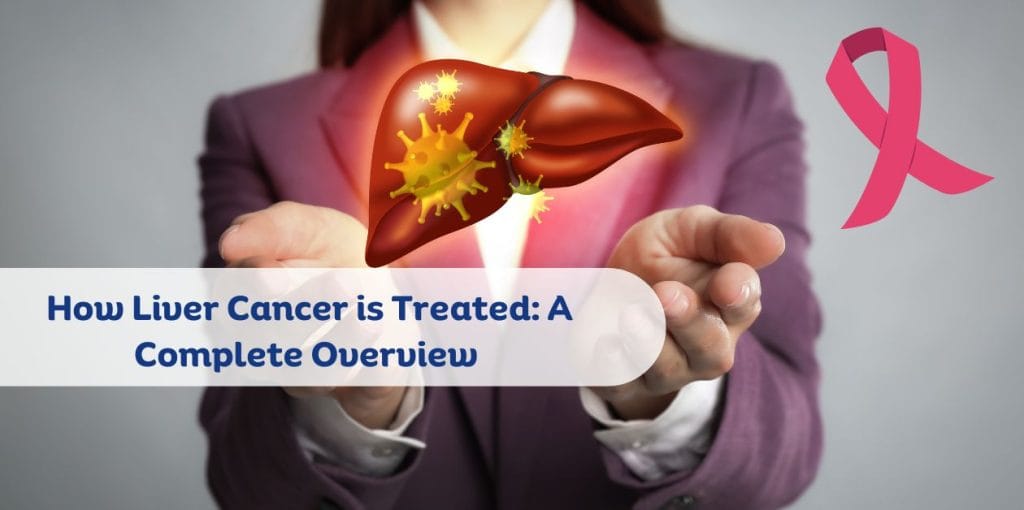
How Liver Cancer is Treated: A Complete Overview Liver cancer, also known as hepatocellular carcinoma (HCC), is one of the most aggressive forms of cancer that originates in the liver. Early detection and treatment are key to improving survival rates, and advancements in cancer treatment have made it possible for patients to live longer and healthier lives. However, liver cancer presents significant challenges due to its often asymptomatic early stages. What is Liver Cancer? Liver cancer occurs when abnormal cells in the liver begin to grow uncontrollably, forming a liver tumor. It is most commonly associated with chronic liver diseases like cirrhosis, often caused by hepatitis B or C infections, and heavy alcohol use. It can also develop in people with non-alcoholic fatty liver disease (NAFLD) or a genetic predisposition. Unfortunately, liver cancer tends to be diagnosed at an advanced stage because early symptoms are often subtle. This is why raising awareness about the symptoms and treatment options is critical. How is Liver Cancer Treated? Treatment for liver cancer depends on several factors, including the size and location of the liver tumor, whether the cancer has spread to other organs, the patient’s overall health, and the presence of underlying liver disease. The treatment approach can involve surgery, local therapies, systemic treatments, or a combination of these strategies. Surgery In cases where the tumor is localized and the liver function is still relatively good, surgical resection or liver transplant may be the most effective treatments. Surgical resection involves removing the tumor along with a portion of the surrounding liver tissue. This procedure is typically recommended for patients with a single tumor that hasn’t spread. Liver transplant is an option for patients with early-stage liver cancer but underlying cirrhosis or liver disease. In this procedure, the entire liver is replaced with a donor liver. Liver transplants are highly effective for patients whose liver function has significantly declined due to cirrhosis. At Pi Health Cancer Hospital, Dr. Venugopal Arroju, a leading expert in medical oncology, ensures that each patient receives personalized treatment tailored to their specific condition, especially in complex liver cancer cases. Ablation and Local Therapies For patients who are not candidates for surgery, local therapies can be an effective treatment option. Ablation therapies destroy tumors without the need for an incision and are commonly used in early-stage liver cancer. Radiofrequency Ablation (RFA) Radiofrequency ablation (RFA) uses heat generated by radio waves to destroy cancer cells. It’s most often used for tumors that are small and haven’t spread. RFA is a minimally invasive procedure that can be done through the skin or with the assistance of imaging technology, like ultrasound or CT scans. Transarterial Chemoembolization (TACE) In transarterial chemoembolization (TACE), a catheter is inserted into the artery that supplies blood to the liver tumor. Chemotherapy drugs are injected directly into the tumor to destroy the cancer cells. This treatment is often combined with blocking the blood supply to the tumor, which helps prevent its growth. Systemic Treatments In cases where liver cancer has spread beyond the liver or if surgery and local therapies are not effective, systemic treatments may be recommended. Systemic treatments work by targeting cancer cells throughout the body. Chemotherapy Traditional chemotherapy can sometimes be used for liver cancer, although it is not typically the first line of treatment due to limited effectiveness. However, it may still be an option for patients with advanced disease. Targeted Therapy Targeted therapies are a newer class of cancer treatments that specifically target the molecules involved in the growth and spread of cancer cells. For liver cancer, sorafenib is one of the most commonly used targeted therapies. It works by blocking the signals that promote tumor growth and blood vessel formation. Immunotherapy Immunotherapy is a revolutionary treatment that uses the body’s immune system to fight cancer. It works by boosting or manipulating immune responses to help the body recognize and destroy cancer cells. Drugs like nivolumab and pembrolizumab are currently used to treat liver cancer, especially when it is diagnosed at an advanced stage. Pi Health Cancer Hospital is involved in clinical trials that test these innovative therapies, offering patients access to cutting-edge treatments. Radiation Therapy Although radiation therapy is not as commonly used for liver cancer as it is for other types, it can still be beneficial for patients with inoperable tumors or for palliative care. Radiation therapy uses high-energy rays to shrink or destroy cancer cells. Conclusion Liver cancer is a serious condition, but with early detection and advanced cancer therapies, the prognosis can be significantly improved. If you or a loved one are concerned about liver cancer or would like to learn more about innovative treatments available at Pi Health Cancer Hospital, visit Pi Health Cancer Hospital for more information and to schedule a consultation with our experienced oncologists. FAQS 1. What are the early signs of liver cancer? The early stages of liver cancer often do not present noticeable symptoms. However, some signs may include fatigue, unexplained weight loss, abdominal pain, and jaundice. cancer and other related cancers. 2. How is liver cancer diagnosed? Liver cancer is diagnosed through a combination of physical exams, imaging tests like CT scans and MRIs, blood tests, and sometimes a biopsy to confirm the presence of cancer cells. 3.Can liver cancer be treated without surgery? Yes, for patients who cannot undergo surgery, treatments such as radiofrequency ablation, transarterial chemoembolization (TACE), and systemic therapies like targeted therapy and immunotherapy can be effective. vaccination provides the best protection, but it can still offer benefits if given later. 4.What is the survival rate for liver cancer? The survival rate for liver cancer depends on the stage of diagnosis. Early detection significantly improves the survival rate, especially when the tumor is localized and treatable. other HPV-related cancers. 5. What is targeted therapy for liver cancer? Targeted therapy involves drugs that specifically target the molecular signals involved in the growth of cancer cells, such as sorafenib, to slow or stop tumor growth. 6. Are there clinical trials for
Cervical Cancer Vaccine: Protection Against HPV and Cancer

Cervical Cancer Vaccine: Protection Against HPV and Cancer Cervical cancer is a significant health concern for women worldwide, with the majority of cases being linked to Human Papillomavirus (HPV), a common viral infection. The introduction of the cervical cancer vaccine, also known as the HPV vaccine, has revolutionized the prevention and control of this deadly disease. This blog will explore the importance of the cervical cancer vaccine in preventing HPV infections, its role in cervical cancer prevention, and the groundbreaking work being done at Pi Health Cancer Hospital to advance research in this area. What is Cervical Cancer? Cervical cancer occurs when abnormal cells in the cervix (the lower part of the uterus) grow uncontrollably. These cells can spread to other parts of the body, leading to life-threatening complications. The primary cause of cervical cancer is persistent HPV infection, which is spread through sexual contact. While most HPV infections clear up on their own, some can cause changes in the cervix that lead to cancer. Fortunately, cervical cancer is one of the most preventable cancers due to the availability of vaccines that protect against the types of HPV responsible for most cases. The Importance of the Cervical Cancer Vaccine (HPV Vaccine) The HPV vaccine is a highly effective tool in preventing cervical cancer. By protecting against the types of HPV that are most commonly associated with cervical cancer, the vaccine plays a crucial role in cervical cancer prevention. Here’s how it works: Protection Against HPV Types: The HPV vaccine protects against the most common high-risk HPV strains (specifically HPV 16 and 18), which are responsible for approximately 70% of cervical cancer cases. The vaccine also provides protection against other HPV types that can cause genital warts and other cancers. Early Prevention: Vaccination is recommended for both girls and boys at the age of 11 to 12 years, though it can be administered to individuals up to the age of 26 (or beyond in certain cases). Vaccination before exposure to the virus provides the best protection, as the vaccine works by stimulating the immune system to produce antibodies against the HPV virus, preventing future infections. Reduced Risk of Cancer: By preventing the initial HPV infection, the cervical cancer vaccine can significantly reduce the risk of developing cervical cancer, as well as other HPV-related cancers, including anal, vulvar, and oropharyngeal cancers. The Role of HPV in Cervical Cancer HPV is a group of more than 200 related viruses, of which about 40 strains affect the genital area. While most HPV infections are harmless and do not cause cancer, persistent infection with certain high-risk strains can lead to abnormal changes in the cells of the cervix, known as cervical dysplasia. Over time, these changes can progress to cancer. HPV vaccination is a critical component in preventing these changes from occurring. By targeting the most dangerous strains of the virus, the vaccine prevents persistent infections and reduces the overall burden of cervical cancer. Conclusion The HPV vaccine represents a major advancement in the fight against cervical cancer. It offers effective prevention against the most dangerous HPV strains, significantly reducing the risk of cancer. With the groundbreaking clinical trials conducted at Pi Health Cancer Hospital, including the work of Dr. Venugopal Arroju and Dr. Pragathi Erram, the future of cervical cancer prevention looks bright. By staying informed and taking advantage of HPV vaccination, individuals can protect themselves against one of the most preventable cancers. To learn more about the cervical cancer vaccine, HPV prevention, and how Pi Health Cancer Hospital is advancing cancer research, contact us today. Your health is our priority. FAQS 1. What is the cervical cancer vaccine? The cervical cancer vaccine, also known as the HPV vaccine, protects against the most common strains of Human Papillomavirus (HPV) that cause cervical cancer and other related cancers. 2. At what age should I get the HPV vaccine? The HPV vaccine is typically recommended for both girls and boys between the ages of 11 to 12 years. However, it can also be given to individuals up to 26 years of age, or in some cases, even older. 3. How effective is the HPV vaccine in preventing cervical cancer? The HPV vaccine is highly effective, providing protection against the strains of HPV responsible for about 70% of cervical cancer cases. Early vaccination provides the best protection, but it can still offer benefits if given later. 4. Can the HPV vaccine prevent all types of cervical cancer? While the vaccine protects against the most high-risk HPV strains (16 and 18), it does not provide protection against all types of HPV. However, it significantly reduces the risk of cervical cancer and other HPV-related cancers. Dr. A. Venugopal Clinical Director & HOD Medical Oncology Senior Consultant Medical Oncologist & Hemato-Oncologist View Profile About Author Dr. A. Venugopal MD (General Medicine), DM (Medical Oncology), MRCP – SCE Medical Oncology (UK), ECMO (Switzerland). Dr A. Venugopal is One of the best medical oncologist and Hemato Oncologist in hyderabad, currently serving as the Head of the Department and Senior Medical Oncologist, Hemato Oncologist at Pi Health Cancer Hospital in Gachibowli, Hyderabad. He brings over 15 years of extensive experience in the field of Oncology. Book an Appointment
The Silent Threat: Understanding the Heartbreaking HMPV Outbreak

The Silent Threat: Understanding the Heartbreaking HMPV Outbreak Human metapneumovirus (HMPV) is currently causing a significant surge in respiratory infections worldwide. This blog aims to provide a comprehensive overview of the HMPV outbreak, its implications, and the measures being taken to control it. What is HMPV? Human metapneumovirus (HMPV) is a virus that can cause upper and lower respiratory disease. Discovered in 2001, it belongs to the Pneumoviridae family, which also includes respiratory syncytial virus (RSV). HMPV commonly circulates during the respiratory virus season and can lead to severe respiratory illness, especially in vulnerable populations. Symptoms and Transmission HMPV spreads through droplets released by an infected person while coughing or sneezing, close personal contact, and touching contaminated surfaces. Symptoms include: Cough Fever Nasal congestion Shortness of breath Severe cases can lead to pneumonia and bronchiolitis, particularly in young children and the elderly. Current Global Situation The recent surge in HMPV cases has been observed in various parts of the world. Health authorities are closely monitoring the situation and have reported an increase in respiratory infections during the winter season. While the World Health Organization (WHO) has not flagged the situation as a global health emergency, the rise in cases has prompted countries to bolster their monitoring systems. Measures Taken by Authorities Health officials worldwide are taking several measures to control the spread of HMPV. These include: Public Awareness Campaigns: Educating the public about the virus and preventive measures. Enhanced Monitoring: Strengthening surveillance systems to track the spread of the virus. Healthcare Preparedness: Ensuring hospitals and healthcare facilities are equipped to handle a surge in cases. Preventive Guidelines: Advising citizens to wear masks, wash hands frequently, and avoid crowded places. Comparison with COVID-19 Unlike COVID-19, HMPV is not a new virus and has been around for decades. We understand how it spreads and how to treat it. While the surge in cases is concerning, it is unlikely to lead to a pandemic of the scale of COVID-19. Impact on Vulnerable Populations HMPV poses a significant risk to certain groups, including: Young Children: Infants and young children are particularly susceptible to severe respiratory illness caused by HMPV. Elderly Individuals: Older adults, especially those with underlying health conditions, are at higher risk of complications. Immunocompromised Patients: Individuals with weakened immune systems are more likely to experience severe symptoms. Preventive Measures for Individuals To protect yourself and others from HMPV, consider the following preventive measures: Hand Hygiene: Wash your hands frequently with soap and water for at least 20 seconds. Respiratory Etiquette: Cover your mouth and nose with a tissue or your elbow when coughing or sneezing. Avoid Close Contact: Stay away from people who are sick and maintain physical distance in crowded places. Clean and Disinfect: Regularly clean and disinfect frequently touched surfaces. Treatment and Management There is no specific antiviral treatment for HMPV. Management primarily involves supportive care to relieve symptoms. This includes: Hydration: Drinking plenty of fluids to stay hydrated. Rest: Getting adequate rest to help the body recover. Over-the-Counter Medications: Using medications to reduce fever and alleviate symptoms like cough and congestion. In severe cases, hospitalization may be required, especially for those with pneumonia or bronchiolitis. Oxygen therapy and mechanical ventilation may be necessary for patients with severe respiratory distress. Research and Future Directions Ongoing research aims to better understand HMPV and develop effective treatments and vaccines. Scientists are studying the virus’s structure, transmission patterns, and immune response to identify potential targets for antiviral drugs and vaccines. Conclusion The HMPV outbreak is a reminder of the importance of vigilance and preparedness in dealing with respiratory viruses. By following recommended precautions and staying informed, we can help mitigate the impact of such outbreaks. Public health authorities and researchers continue to work towards better understanding and controlling HMPV to protect vulnerable populations and prevent future outbreaks. FAQs 1. What is HMPV? Human metapneumovirus (HMPV) is a virus that causes upper and lower respiratory disease. It was discovered in 2001 and is part of the Pneumoviridae family. 2. How does HMPV spread? HMPV spreads through droplets released by an infected person while coughing or sneezing, close personal contact, and touching contaminated surfaces. 3. What are the symptoms of HMPV? Symptoms include cough, fever, nasal congestion, and shortness of breath. Severe cases can lead to pneumonia and bronchiolitis, particularly in young children and the elderly. 4. Who is most at risk from HMPV? Young children, elderly individuals, and immunocompromised patients are at higher risk of severe illness from HMPV. 5. How can I protect myself from HMPV? Preventive measures include frequent hand washing, covering your mouth and nose when coughing or sneezing, avoiding close contact with sick individuals, and regularly cleaning and disinfecting surfaces. 6. Is there a treatment for HMPV? There is no specific antiviral treatment for HMPV. Management involves supportive care to relieve symptoms, such as hydration, rest, and over-the-counter medications. Dr. Y Swetha Consultant General Physician View Profile About Author Dr. Y Swetha MBBS ,MD General Medicine Dr. Y Swetha is a skilled physician currently practicing at PI Health Cancer Hospital. She holds an MBBS from Kamineni Institute of Medical Sciences and an MD in General Medicine from Prathima Institute of Medical Sciences. Dr. Swetha has extensive experience in outpatient, inpatient, emergency, and critical care settings. She is proficient in managing chronic conditions, critical emergencies, and advanced procedures such as ventilator management and catheter placements. Her academic contributions include presentations on deep vein thrombosis, splenic infarcts, and cardiac tamponade. Dr. Swetha also volunteered as a Telemedicine Doctor during the COVID-19 pandemic, demonstrating her commitment to patient care. With a First Class in MD and fluent in English, Telugu, and Hindi, Dr. Swetha is dedicated to providing compassionate and comprehensive medical care. Book an Appointment
Tips for Managing Type 2 Diabetes Effectively
Tips for Managing Type 2 Diabetes Effectively Managing Type 2 diabetes effectively is crucial to maintaining overall health and preventing serious complications such as heart disease, kidney damage, and nerve problems. It involves consistent effort and lifestyle changes, including diet, exercise, and proper medication. What Is Type 2 Diabetes? Type 2 diabetes is a chronic condition where the body either becomes resistant to insulin or doesn’t produce enough insulin. Insulin is a hormone that helps regulate blood sugar (glucose) levels. As a result, blood sugar levels can become elevated, leading to various health issues. Type 2 diabetes is largely influenced by lifestyle factors such as poor diet, physical inactivity, and being overweight, though genetics and family history also play a role. Managing the disease requires a comprehensive approach that includes maintaining a healthy weight, keeping active, and managing stress. Effective Tips for Managing Type 2 Diabetes Prioritize Healthy Eating: A well-balanced diet is essential for controlling blood sugar levels. Focus on foods with a low glycemic index (GI), which release sugar into the bloodstream slowly. These include whole grains, legumes, fruits, and vegetables. Reducing the intake of processed foods, sugary snacks, and refined carbohydrates is crucial to preventing spikes in blood sugar. It’s also important to include healthy fats, such as those found in olive oil, avocados, and nuts, and lean proteins to help stabilize blood sugar levels and prevent hunger. Portion control is key—overeating, even healthy foods, can affect your blood sugar. Exercise Regularly: Regular physical activity plays a vital role in diabetes care by helping the body use insulin more effectively. Aim for at least 30 minutes of moderate exercise, such as walking, swimming, or cycling, most days of the week. Exercise helps lower blood sugar levels, reduces insulin resistance, and promotes weight loss. Strength training exercises (like lifting weights) can also improve insulin sensitivity and help build muscle mass, which increases the body’s ability to manage blood sugar. 3. Monitor Blood Sugar Levels: One of the most important aspects of managing Type 2 diabetes is regular blood sugar monitoring. By tracking blood sugar levels consistently, you can better understand how your diet, exercise, and medication are affecting your body. Work with your healthcare provider to establish a routine for checking your blood glucose levels. 4. Medications and Insulin Therapy: While lifestyle changes are key in managing Type 2 diabetes, medications are often necessary to help control blood sugar levels. There are several classes of medications, including oral drugs like metformin, and injectable medications like GLP-1 receptor agonists or insulin. 5. Weight Management: Maintaining a healthy weight is crucial for managing Type 2 diabetes. Excess weight, particularly around the abdomen, increases insulin resistance. Losing even a small amount of weight can have a significant impact on blood sugar control. Focus on a gradual and sustainable weight loss approach, combining a balanced diet with regular exercise. 6. Stress Management: Chronic stress can negatively impact blood sugar levels and overall health. High-stress levels trigger the release of hormones like cortisol, which can increase blood sugar. Incorporating relaxation techniques such as deep breathing, meditation, or yoga into your daily routine can help manage stress levels. 7. Stay Consistent with Medical Appointments: Regular visits to your healthcare provider are essential to manage diabetes care effectively. Your healthcare provider can monitor your blood sugar levels, adjust medications as necessary, and offer advice on managing the disease. Conclusion Managing Type 2 diabetes requires a comprehensive approach, involving lifestyle changes, medication, and ongoing monitoring. By staying proactive in your diabetes care and incorporating these effective tips, you can successfully manage your condition and lead a healthier, more fulfilling life. FAQs 1. What is Type 2 diabetes? Type 2 diabetes is a chronic condition where the body doesn’t produce enough insulin or becomes resistant to it, causing elevated blood sugar levels. This can lead to complications such as heart disease, kidney damage, and nerve issues. 2. How can I control my blood sugar without medication? Effective blood sugar control is possible through a combination of a healthy diet, regular exercise, weight management, and stress reduction. However, many people with Type 2 diabetes also require medication to help manage their blood sugar levels. 3. What is the role of physical activity in managing Type 2 diabetes? Regular exercise helps the body use insulin more effectively, lowers blood sugar levels, and can improve insulin sensitivity. It is an essential part of managing Type 2 diabetes. 4. Can Type 2 diabetes lead to cancer? Research suggests that people with Type 2 diabetes may have a higher risk of developing certain types of cancer. Managing blood sugar levels effectively and leading a healthy lifestyle can help reduce this risk. 6. Can stress affect my blood sugar levels? Yes, chronic stress can lead to higher blood sugar levels due to the release of stress hormones like cortisol. Practicing stress management techniques like meditation, yoga, and deep breathing can help keep your blood sugar under control. Dr. Y Swetha Consultant General Physician View Profile About Author Dr. Y Swetha MBBS ,MD General Medicine Dr. Y Swetha is a skilled physician currently practicing at PI Health Cancer Hospital. She holds an MBBS from Kamineni Institute of Medical Sciences and an MD in General Medicine from Prathima Institute of Medical Sciences. Dr. Swetha has extensive experience in outpatient, inpatient, emergency, and critical care settings. She is proficient in managing chronic conditions, critical emergencies, and advanced procedures such as ventilator management and catheter placements. Her academic contributions include presentations on deep vein thrombosis, splenic infarcts, and cardiac tamponade. Dr. Swetha also volunteered as a Telemedicine Doctor during the COVID-19 pandemic, demonstrating her commitment to patient care. With a First Class in MD and fluent in English, Telugu, and Hindi, Dr. Swetha is dedicated to providing compassionate and comprehensive medical care. Book an Appointment